




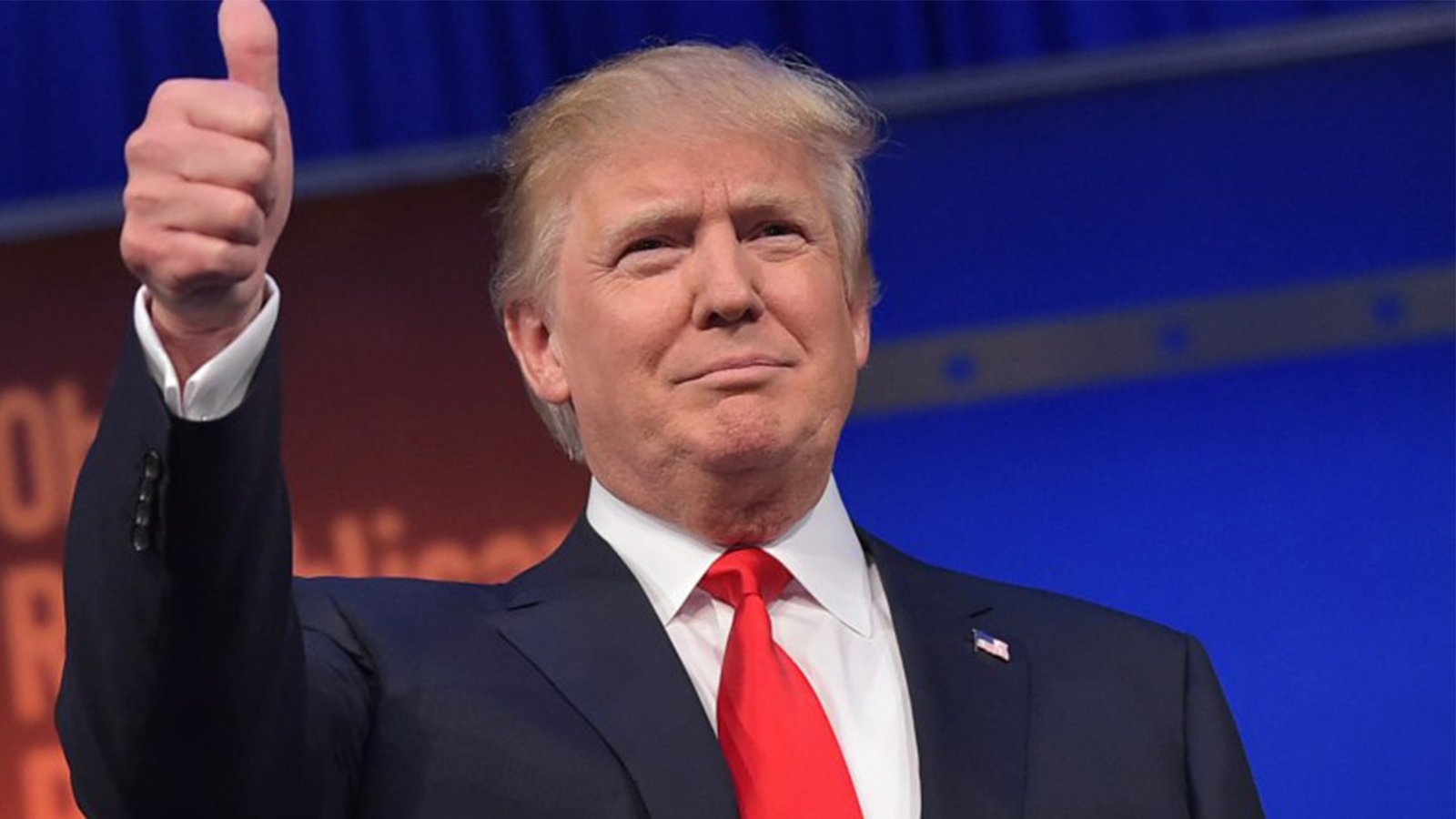
Dispute with Intelligence Head: On Friday, the commander-in-chief, President Donald Trump, openly disagreed with his intelligence director, Tulsi Gabbard, asserting her prior statement that the U.S. believed Iran was not constructing a nuclear weapon was “erroneous.”1
- Challenge to Gabbard’s Deposition: When apprised that Gabbard had delivered this assessment to legislative bodies in March, President Trump reiterated, “She’s mistaken,” indicating a divergence from his own classified briefings.2
- Gabbard’s Elucidation: In response, Gabbard utilized X (formerly Twitter) to clarify that her testimony had been misinterpreted.3 She stated that American intelligence suggests Iran possesses the capability to fabricate a nuclear device “within weeks to months” should it opt to complete its fabrication.4 She reaffirmed her alignment with President Trump’s position that such an outcome must be averted.
- Deliberation on Military Engagement: President Trump has recently adopted a more assertive public posture against Tehran, signaling his consideration of military action, specifically targeting Iran’s heavily fortified Fordo uranium enrichment facility, which is deemed invulnerable to most conventional armaments.5
- Fortnightly Decision Period: The executive mansion had previously disclosed that President Trump would render a verdict within a fortnight regarding whether the U.S. The fighting forces would directly intervene in the dispute between the two countries. This deferral was attributed to a “substantial probability” of imminent discussions with Iran.
- Apprehension Regarding Truce Negotiations: Nevertheless, President Trump on Friday expressed misgivings about the prospect of discussions leading to a cessation of hostilities between the Zionist state and the Persian nation.
- Difficulty in Halting Israeli Operations: He intimated that compelling Israel to cease its military maneuvers against Iran would prove “exceedingly arduous” at this juncture.
- Factor of “Superiority”: President Trump expounded that making such a demand is more complicated when one combatant is “gaining ascendancy” in the conflict, alluding to Israel’s current advantageous stance.
- Contrast with Iraqi Conflict: Drawing a parallel to his past critiques of the 2003 invasion of Iraq, President Trump distinguished the two scenarios. He remarked that in Iraq, weapons of mass destruction were absent, as he had consistently believed, and that epoch predated the profound nuclear era of today.
- Iran’s Nuclear Material Accumulation: He underscored his conviction that his earlier assertions concerning Iran’s accumulation of atomic constituents are proving accurate, characterizing the quantity as “colossal.”
- Questioning Civilian Nuclear Justification: President Trump also voiced skepticism regarding Iran’s claims of pursuing nuclear capabilities for peaceful applications, such as energy generation, observing that Iran sits atop immense oil reservoirs, rendering the necessity for nuclear power less evident.