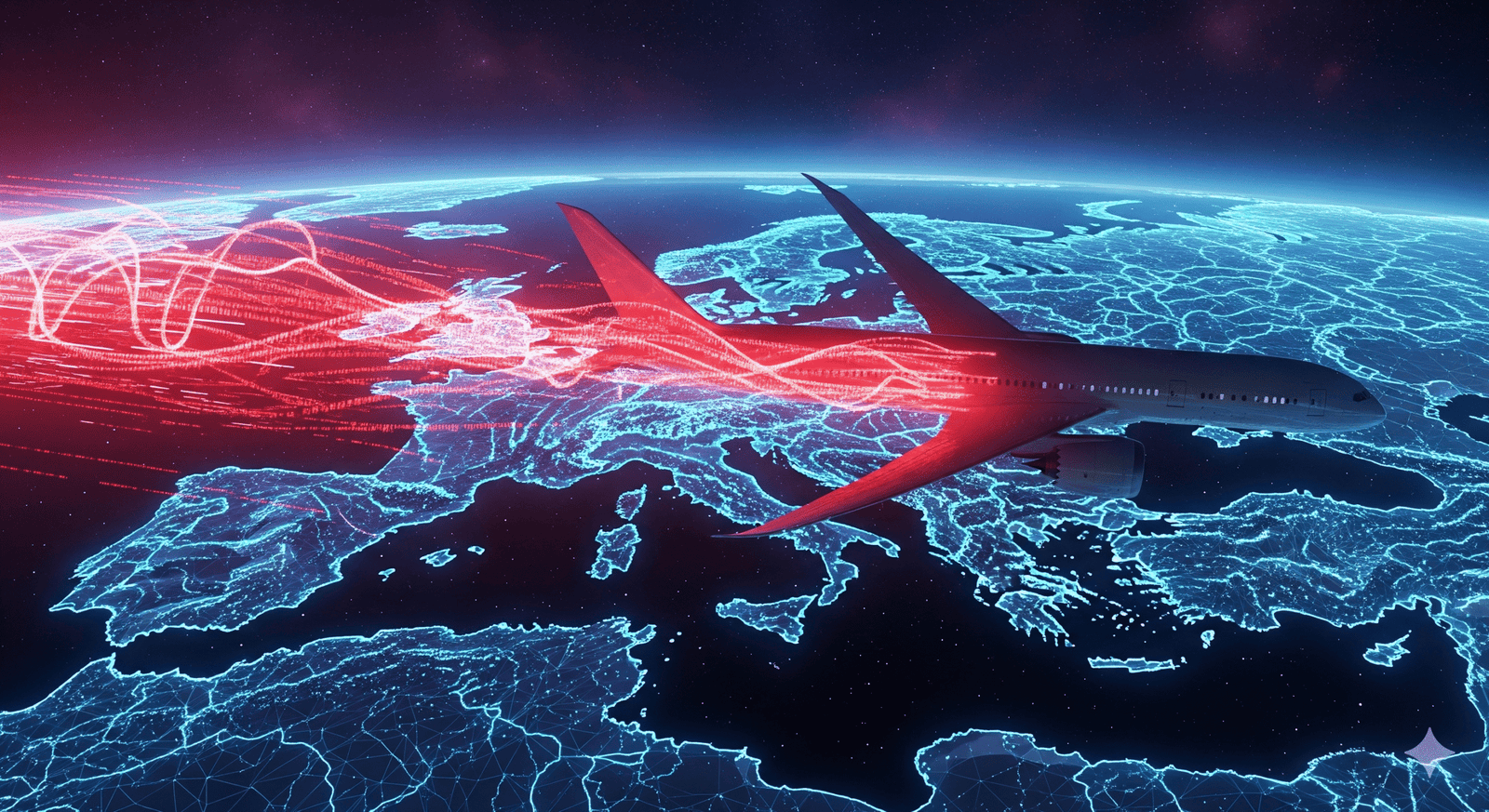




Here are 21 bullet points on the latest news regarding US tariffs and global trade tensions
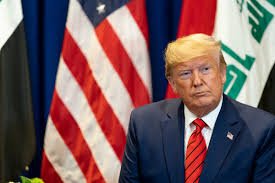
- July 10, 2025: US President Donald Trump intensified his global commerce initiatives.
- July 9, 2025: Trump revealed a new 50% import duty on copper, slated for implementation on August 1, 2025.1
- July 9, 2025: This significant copper levy was justified by a “thorough national security assessment.”
- July 9, 2025: Concurrently, Brazil was notified that its corresponding tariff would also rise to 50% from 10%, also effective August 1, 2025.
- July 9, 2025: The tariff on Brazilian goods was explicitly tied by Trump to what he termed a “persecutory legal proceeding” against former Brazilian President Jair Bolsonaro.
- July 9, 2025: Trump additionally criticized what he labeled Brazil’s “assaults on open elections” and “covert and unlawful censorship directives to US social media platforms.”
- July 9, 2025: A new “Section 301” inquiry into unfair trade practices was initiated against Brazil, potentially paving the way for further duties.2
- July 9, 2025: Brazilian President Luiz Inacio Lula da Silva responded, asserting that any unilateral tariff escalation would be met with reciprocal action.3
- July 9, 2025: The Brazilian real experienced a notable decline (exceeding two percent) against the US dollar following the tariff announcement.4
- July 8, 2025: Trump had previously hinted at the 50% copper tariff during a cabinet session.
- July 8, 2025: Trump reaffirmed that a universal 10% tariff on imports from most US trading partners, previously declared, would commence on August 1, with “no modifications” and “no deferrals.”
- July 7, 2025: Official communications detailing specific tariff rates were dispatched this week to numerous nations.
- July 7, 2025: Key US allies like Japan and South Korea were forewarned of a 25% charge on a broad array of their products.5
- July 7, 2025: Other countries, including Indonesia, Bangladesh, Thailand, South Africa, and Malaysia, are facing levies ranging from 25% to 40%.6
- July 9, 2025: Further nations such as the Philippines (20%), Brunei (25%), Moldova (25%), Algeria (30%), Libya (30%), Iraq (30%), and Sri Lanka (30%) also received new tariff notifications.7
- July 9, 2025: Trump cautioned that any attempts to circumvent the duties through transshipment would result in even higher assessments.
- July 9, 2025: The United States procures nearly half of its copper supply from abroad, with major sources including Chile, Canada, and Mexico.
- July 9, 2025: Copper futures in New York experienced a 17% surge on Tuesday (July 8) following Trump’s declaration, marking a record single-day increase, before a partial retraction.8
- July 9, 2025: Industry analysts caution that US dependence on imported copper means these charges could inflate expenses across vital sectors, including electronics, vehicle manufacturing, infrastructure, and defense.
- July 9, 2025: Certain countries, like India, which are net copper importers, anticipate only a minor direct impact on their exports to the US, owing to their own burgeoning domestic demand and limited export capacity.9
- Ongoing Concern: These actions are generating widespread apprehension about potential cost escalations in various global industries and the likelihood of counter-measures from impacted countries, thereby heightening worldwide trade frictions.
Here’s a breakdown of the US tariffs and global trade tensions, focusing on the “When, Where, Why, and Who”:
When:
- April 2, 2025: Initial “Liberation Day” announcement of across-the-board tariffs.
- April 9, 2025: Trump imposed a 90-day pause on the steep reciprocal tariffs, instating a 10% baseline levy on most trading partners.
- July 7, 2025: President Trump signed an executive order extending the tariff pause from July 9 to August 1, 2025.1 On this day, he also began sending formal letters to several countries detailing new tariff rates.2
- July 8, 2025: Trump publicly hinted at a 50% tariff on copper imports during a cabinet meeting.3 Copper futures surged on this day.
- July 9, 2025: Trump formally announced the 50% tariff on copper imports and a 50% tariff on goods from Brazil.4 He also issued a second round of tariff letters to additional countries.
- August 1, 2025: This is the effective date for the new increased tariffs if countries do not reach new trade deals with the US.5
Where:
- United States: The tariffs are being imposed by the US on imports from various countries.6
- Brazil: Specifically targeted with a 50% tariff on all goods.7
- Global Reach: The tariffs affect imports from a wide range of countries across different continents, including:
- Asia: Japan, South Korea, Myanmar, Laos, Cambodia, Thailand, Bangladesh, Indonesia, Malaysia, Philippines, Sri Lanka.
- Africa: South Africa, Tunisia, Algeria, Libya.
- Europe: Bosnia and Herzegovina, Serbia, Moldova.8
- Middle East: Iraq.9
- North America: Canada and Mexico (already subject to certain existing tariffs, but also under general tariff threats).10
Why:
- “Witch Hunt” against Bolsonaro: A primary and explicitly stated reason for the 50% tariff on Brazil is Trump’s support for former Brazilian President Jair Bolsonaro, whom Trump believes is being unfairly prosecuted.11 Trump cited “grave injustices” including alleged Brazilian censorship and “attacks on free elections.”12
- Trade Deficits: A general underlying rationale for many of the tariffs is the US’s persistent trade deficits with various nations. Trump aims to rectify what he views as “non-reciprocal” trade practices and achieve “a more balanced trade relationship.”13
- National Security: The 50% tariff on copper imports was specifically justified by Trump on “national security” grounds, citing copper’s importance for various critical industries like semiconductors, aircraft, and defense systems.14
- “Anti-American BRICS policies”: Trump has also threatened an additional 10% tariff on all BRICS-aligned countries, accusing them of “insidious attacks on Free Elections.”15
- Encourage Domestic Production: Trump’s administration seeks to encourage foreign companies to establish manufacturing facilities within the US by offering tariff exemptions for goods produced domestically.
- Offset Tax Cuts: The administration also suggests that the tariff revenues will help offset the revenue losses from the continuation and expansion of his 2017 tax cuts.16
Who:
- US President Donald Trump: The primary decision-maker and enforcer of these new tariff policies.
- Brazilian President Luiz Inacio Lula da Silva: The leader of Brazil, who has strongly opposed the tariffs and threatened reciprocal measures.17
- Countries facing tariffs:
- 50%: Brazil (all goods), Copper imports (from all countries).18
- 40%: Myanmar, Laos.19
- 36%: Cambodia, Thailand.
- 35%: Bangladesh, Serbia.
- 32%: Indonesia.
- 30%: South Africa, Bosnia and Herzegovina, Sri Lanka, Algeria, Iraq, Libya.20
- 25%: Japan, South Korea, Kazakhstan, Malaysia, Tunisia, Brunei, Moldova.21
- 20%: Philippines.
- All US Trading Partners: Subject to a baseline 10% tariff unless a specific higher rate is assigned or a new trade deal is reached.
- Consumers and Industries Globally: Consumers could face higher prices for goods due to increased import costs.22 Industries relying on imported materials (like copper in electronics, automotive, defense) will see increased production costs.23
- Global Supply Chains: These tariffs are expected to disrupt established global supply chains and potentially lead to economic uncertainty.24
- Brazilian Real: The Brazilian currency experienced a significant drop following the tariff announcement.25
- Copper Futures Market: Saw a record single-day surge in response to the tariff news.26