




The promise of a unified, global front against plastic pollution has been dealt a severe blow. After 11 days of intense and often acrimonious negotiations at the United Nations, talks aimed at creating a landmark treaty to end plastic pollution have concluded without a finalized agreement. The failure to reach a consensus marks a profound setback for environmentalists and a disappointment for the nations and communities most affected by the scourge of plastic waste. This outcome highlights the deep chasm that exists between countries committed to a strong, legally binding framework and those that favor a more lenient, voluntary approach, ultimately leaving the world without a clear path forward in addressing one of its most pressing environmental challenges.
The negotiations were the culmination of years of preparatory work and followed a global mandate to create a legally binding instrument on plastic pollution by 2024. The core of the disagreement centered on a fundamental question: Should the treaty focus on reducing plastic production itself, or should it primarily deal with waste management and recycling? A coalition of over 100 nations, including many small island developing states, environmental groups, and the European Union, strongly advocated for a treaty that would cap and reduce the production of new plastics, phase out certain hazardous chemicals, and establish clear, enforceable rules for the entire plastic lifecycle. They argue that without addressing the source of the problem—the ever-increasing output of virgin plastic—any effort to manage the waste will be insufficient.
However, this push for a strong, legally binding treaty was met with fierce resistance from a number of countries with large petrochemical industries, including the United States, Saudi Arabia, and China. These nations, often referred to as the “low-ambition” coalition, argued for an agreement that would allow each country to set its own national targets for waste management and recycling. They framed the issue as a waste management problem rather than a production one, insisting that innovation and technological solutions would be sufficient to tackle the crisis. They also expressed concern that a cap on plastic production could harm their economies and hinder development. The influence of the powerful plastic and petrochemical industry was palpable, with a significant number of industry lobbyists present at the talks, advocating against any measures that would restrict production.
The failure to bridge this divide resulted in a stalemate. The final draft of the treaty, which was meant to be the basis for a final agreement, was left riddled with brackets and competing text, reflecting the deep disagreements. While some progress was made on technical issues like transparency and information sharing, the core issues of production limits and financial mechanisms for developing nations were left unresolved.
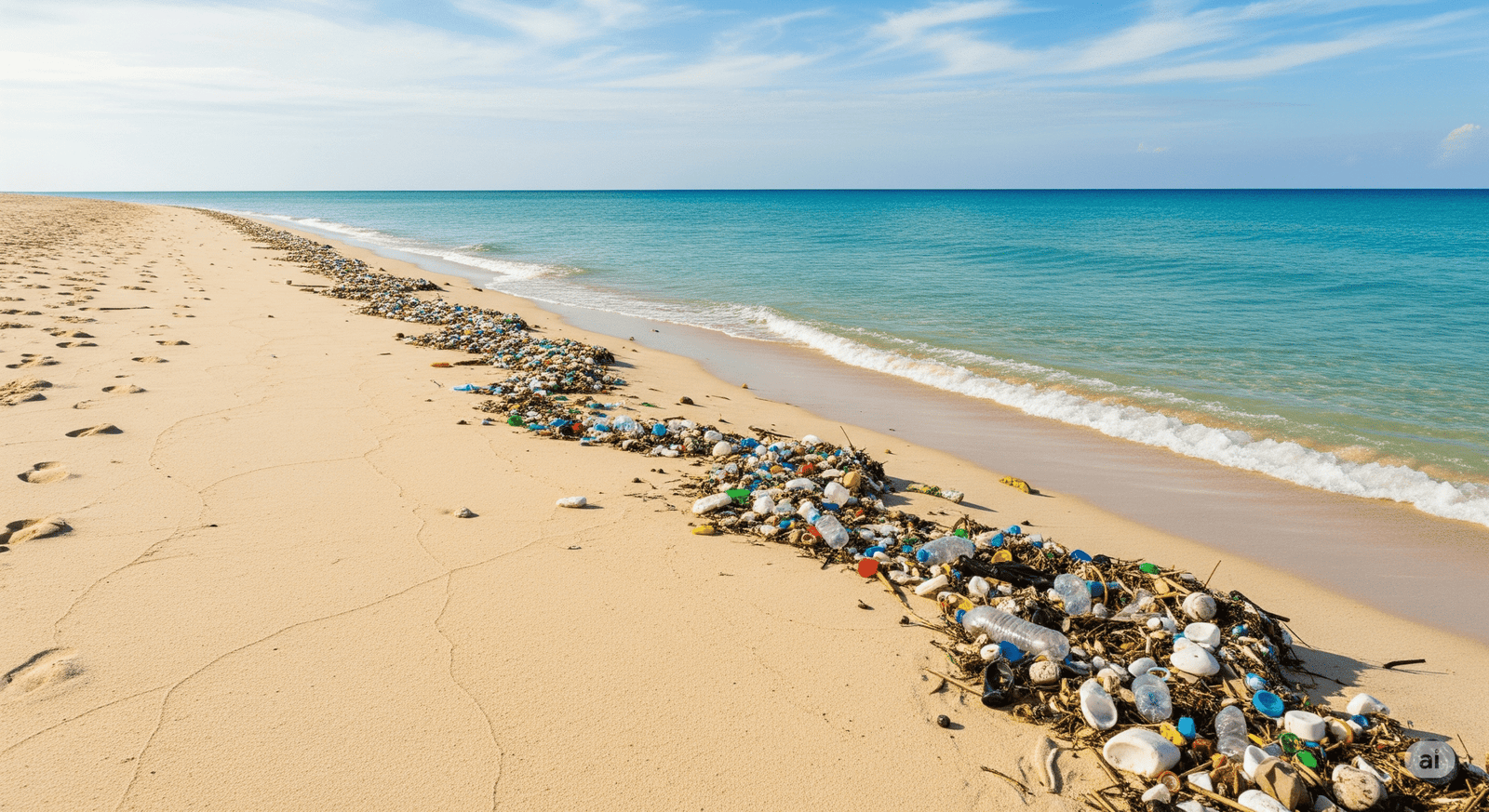
For the planet, the implications are dire. Scientists predict that without a significant reduction in production, the amount of plastic flowing into our oceans and ecosystems will continue to grow exponentially, choking marine life, contaminating food chains, and impacting human health. The failure of these talks leaves millions of tons of plastic to continue pouring into our environment each year, with no global framework to hold nations accountable. The hope now rests on future negotiation rounds, but the momentum and sense of urgency that once defined these talks have been severely compromised.
The path forward is now more challenging than ever. Nations must find a way to compromise on the fundamental issues that drove the negotiations to a standstill. The pressure from a global public increasingly aware of the plastic pollution crisis will be a key factor in pushing governments to act. However, as this round of talks has demonstrated, the economic interests of the plastic-producing industry and the political will of some of the world’s most powerful nations remain a formidable obstacle to achieving a meaningful and effective treaty. The world is watching to see if a renewed commitment to a global solution can overcome the vested interests that have, for now, successfully derailed this critical environmental effort.
21 Bullet Points on the Global Plastic Pollution Treaty Talks (Date: August 16, 2025)
- Event: Negotiations for a global plastic pollution treaty ended without an agreement.
- Date: The talks concluded after 11 days of negotiations, likely in mid-August 2025.
- Location: The United Nations headquarters, though the specific city was not mentioned in the provided text.
- Objective: The talks aimed to create a legally binding treaty to end plastic pollution.
- Core Disagreement: Nations were unable to agree on whether to focus on limiting plastic production or on waste management.
- “High-Ambition” Coalition: A group of over 100 countries pushed for a strong, legally binding treaty.
- “Low-Ambition” Coalition: Nations with large petrochemical industries resisted a production-focused treaty.
- Key Players (Pro-Production Limits): The European Union and many small island nations.
- Key Players (Anti-Production Limits): The United States, Saudi Arabia, and China.
- Industry Influence: The plastic and petrochemical industry reportedly had a strong presence at the talks.
- Stalemate: The talks resulted in a stalemate, with no consensus reached.
- Unresolved Issues: Core issues like production caps and financial mechanisms for developing nations were left unresolved.
- Progress: Minor progress was made on technical details, such as information sharing.
- Environmental Impact: The failure is a significant setback for the global fight against plastic pollution.
- Consequence: Scientists warn of a continued exponential increase in plastic waste in oceans and ecosystems.
- Lack of a Framework: There is currently no global, legally binding framework to address the crisis.
- Future of Talks: Negotiations are expected to continue in future rounds.
- Challenge Ahead: Finding a way to compromise on fundamental disagreements remains the main challenge.
- Public Pressure: Global public awareness is seen as a key factor to push for action.
- Economic Interests: The economic interests of the plastic industry were a major hurdle.
- No Finalized Agreement: The talks concluded with no finalized or agreed-upon text for a treaty.
Separate Answer: The Global Plastic Pollution Treaty Talks
- When: The talks concluded after 11 days of negotiations, likely in mid-August 2025, based on the provided text.
- Where: The negotiations were held at the United Nations.
- Why: Nations failed to reach a consensus on the core components of the treaty. The primary reason for the failure was a deep and unresolvable disagreement between countries that wanted a strong, legally binding treaty to cap plastic production and those that favored a weaker agreement focused on national, voluntary efforts for waste management.
- Who: The key participants included representatives from over 100 nations, grouped into “high-ambition” and “low-ambition” coalitions, as well as delegates from the plastic and petrochemical industries, and various non-governmental organizations (NGOs) and environmental groups.