




The relentless conflict in Gaza continues to be a vortex of human suffering, geopolitical tension, and moral outrage. In the first days of August 2025, a series of events have intensified the international debate, revealing the deep fissures that now define the global response. The release of a second hostage video by Hamas, a bold and politically charged declaration from a Western leader, and a scathing report on military accountability have combined to create a sense of deepening crisis with no end in sight.
Hamas’s release of a video showing a severely emaciated Israeli hostage, Evyatar David, is a chilling reminder of the war’s most personal tragedies. The video, which shows David digging what he claims is his own grave, is not merely a document of a captive’s suffering; it is a calculated act of psychological warfare. By making the release of hostages conditional on the establishment of a fully sovereign Palestinian state, Hamas is attempting to shift the international narrative and leverage the hostages’ lives for a political outcome. The family of Evyatar David, in their heartbroken response, rightly called this a “cynical” and “horrifying” act of propaganda, and their plea for his release has been echoed by renewed international calls for a truce and a hostage deal.
Simultaneously, a significant political shift has occurred in Europe. For the first time, Scotland’s First Minister, John Swinney, has publicly labeled Israel’s actions in Gaza as “genocide.” This is a monumental statement, placing him in a small but growing group of Western leaders who have used the term, including Northern Ireland’s First Minister. While Israel has fiercely and consistently rejected this accusation as a malicious distortion of its self-defense campaign, Swinney’s words carry weight. They reflect an escalating level of political and public pressure in Scotland and beyond, where scenes of mass civilian casualties, widespread starvation, and the destruction of Palestinian communities have fueled a profound moral reckoning.
Adding to this pressure is a new report from the conflict monitor Action on Armed Violence (AOAV). The report, which analyzed 52 investigations by the Israeli military into alleged war crimes and abuses, concluded that a staggering 88% of cases were closed without any charges being filed. This finding, which suggests a “pattern of impunity,” gives a critical voice to the concerns of human rights organizations who have long criticized Israel’s internal accountability mechanisms as being opaque and ineffective. The report highlights unresolved, high-profile cases, such as the killing of World Central Kitchen aid workers, where internal reprimands were issued but no criminal charges were brought. Such a lack of justice, according to the AOAV, not only fails the victims but also allows Israel to resist external legal scrutiny, including from the International Criminal Court.
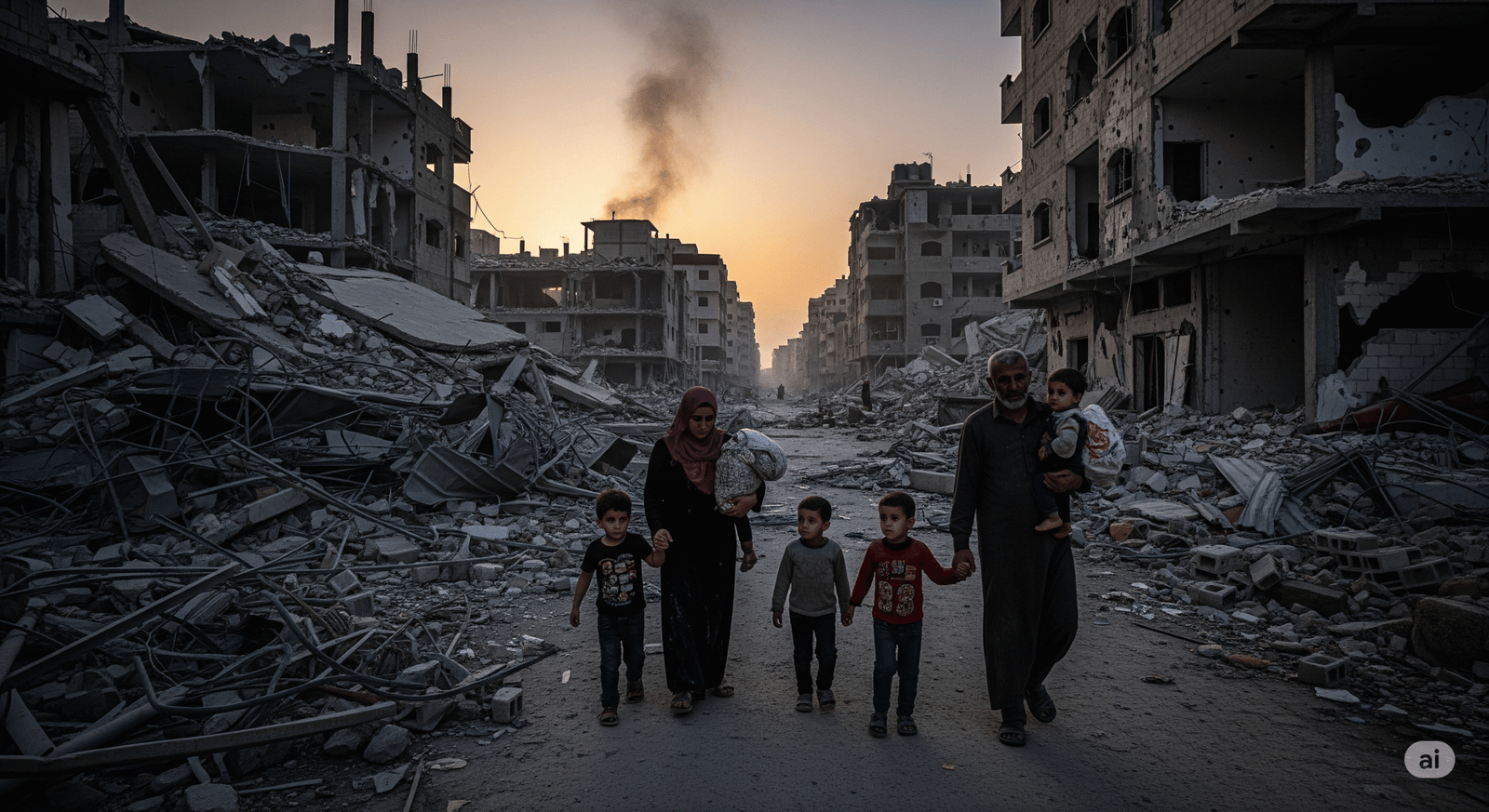
These three events—the hostage video, the “genocide” accusation, and the war crimes report—are interconnected threads in a narrative of a conflict that is spiraling out of control. The humanitarian crisis in Gaza has reached a breaking point. The UN now warns that one million women and girls are starving, and the death toll from malnutrition is rising. Reports of Palestinians being killed while desperately seeking food at aid distribution points further underscore the scale of the tragedy.
As a US envoy visits the region in an attempt to broker a new deal, the chances for a lasting peace seem increasingly remote. Hamas remains defiant, the Israeli government remains committed to its military objectives, and the international community is more divided than ever. The voices of moral condemnation, once a murmur, are now becoming a roar, but without a unified and decisive global response, the war of echoes—of hostages, starvation, and accusations of genocide—will continue to reverberate, leaving a trail of devastation in its wake.
Based on the latest reports from August 3, 2025, here are 21 bullet points on the key developments in the Middle East, focusing on the conflict in Gaza.
- Date: August 3, 2025
- Hamas Hostage Video: Hamas released a second video of Israeli hostage Evyatar David, showing him in a visibly emaciated state.
- Hamas’s Stance: The group reiterated its position that it will not disarm until a fully sovereign Palestinian state with Jerusalem as its capital is established.
- Hostage Plight: The video showed David, a 24-year-old kidnapped from the Nova Music Festival, digging what he called his “own grave,” highlighting the dire conditions faced by hostages.
- Family’s Reaction: David’s family urged for his release and condemned Hamas for what they called the “deliberate and cynical starvation” of their son for propaganda purposes.
- Wider Hostage Situation: The release of the video comes as an estimated 20 living hostages are still being held by Hamas and other militant groups.
- Calls for Truce: The latest developments have intensified international pressure for a ceasefire and a new hostage release deal.
- Scottish First Minister’s Statement: Scotland’s First Minister, John Swinney, used the term “genocide” for the first time to describe Israel’s actions in Gaza.
- Swinney’s Position: He became the second leader of a UK nation to use the term, following Northern Ireland’s First Minister, Michelle O’Neill.
- Israeli Response to “Genocide” Claims: Israel has consistently and vehemently denied that its military campaign is a genocide, asserting that its actions are in self-defense against Hamas.
- War Crimes Investigation Report: A report by the conflict monitor Action on Armed Violence (AOAV) alleges that Israel has closed 88% of investigations into alleged war crimes and abuses in Gaza and the West Bank without any charges.
- Lack of Accountability: The report claims that of 52 cases examined between October 2023 and June 2025, only one resulted in a prison sentence, suggesting a “pattern of impunity.”
- High-Profile Unresolved Cases: The AOAV report highlights several high-profile incidents that remain unresolved, including the World Central Kitchen aid worker deaths and a deadly strike on a Rafah tent camp.
- Humanitarian Crisis: The situation in Gaza remains catastrophic, with a UN official stating that one million women and girls are now starving.
- Aid Access: Israel’s restrictions on the entry of aid into Gaza are widely cited as a major cause of the escalating famine.
- Attacks on Aid Seekers: The UN reports that since late May, at least 1,373 Palestinians have been killed while seeking food, with most of the killings attributed to the Israeli military.
- International Legal Proceedings: The International Court of Justice (ICJ) and the International Criminal Court (ICC) continue to be involved, with the ICJ assessing Israel’s responsibility for the humanitarian crisis.
- Global Protests: The renewed calls for a ceasefire and a Palestinian state have led to large-scale demonstrations, including a march across the Sydney Harbour Bridge.
- US Diplomatic Efforts: A US envoy has been visiting the region in an attempt to broker a deal, but progress has been slow.
- Palestinian Famine Deaths: The Gaza Health Ministry has reported that six more Palestinians have died from forced starvation and malnutrition, bringing the total to 175.
- Ongoing Hostilities: The news comes amid a backdrop of continued Israeli attacks across Gaza, which have killed over 40 people in the last day, including 22 aid seekers.
When, Where, Why, and Who
- When: These events were reported on or around Sunday, August 3, 2025. The Hamas video was released on August 2, the Scottish First Minister’s statement was made on August 2, and the report on war crimes investigations was released on August 2.
- Where: The main events are centered on the Gaza Strip, Israel, and the political centers of Scotland and the United Kingdom.
- Why: Hamas’s release of the hostage video is a propaganda move to exert pressure on Israel and the international community, linking the fate of the hostages to its demand for a Palestinian state. The Scottish First Minister’s use of the term “genocide” reflects growing international concern and political pressure within Scotland to take a stronger stance against Israel’s actions. The report on war crimes investigations highlights a persistent criticism from human rights groups that Israel’s internal justice system is failing to hold its forces accountable for alleged abuses.
- Who: The key actors are Hamas, the militant group that released the hostage video; Evyatar David, the Israeli hostage; John Swinney, the Scottish First Minister; and the Israeli government and military, who are the focus of the “genocide” and “war crimes” allegations. The report was produced by the conflict monitor Action on Armed Violence (AOAV).