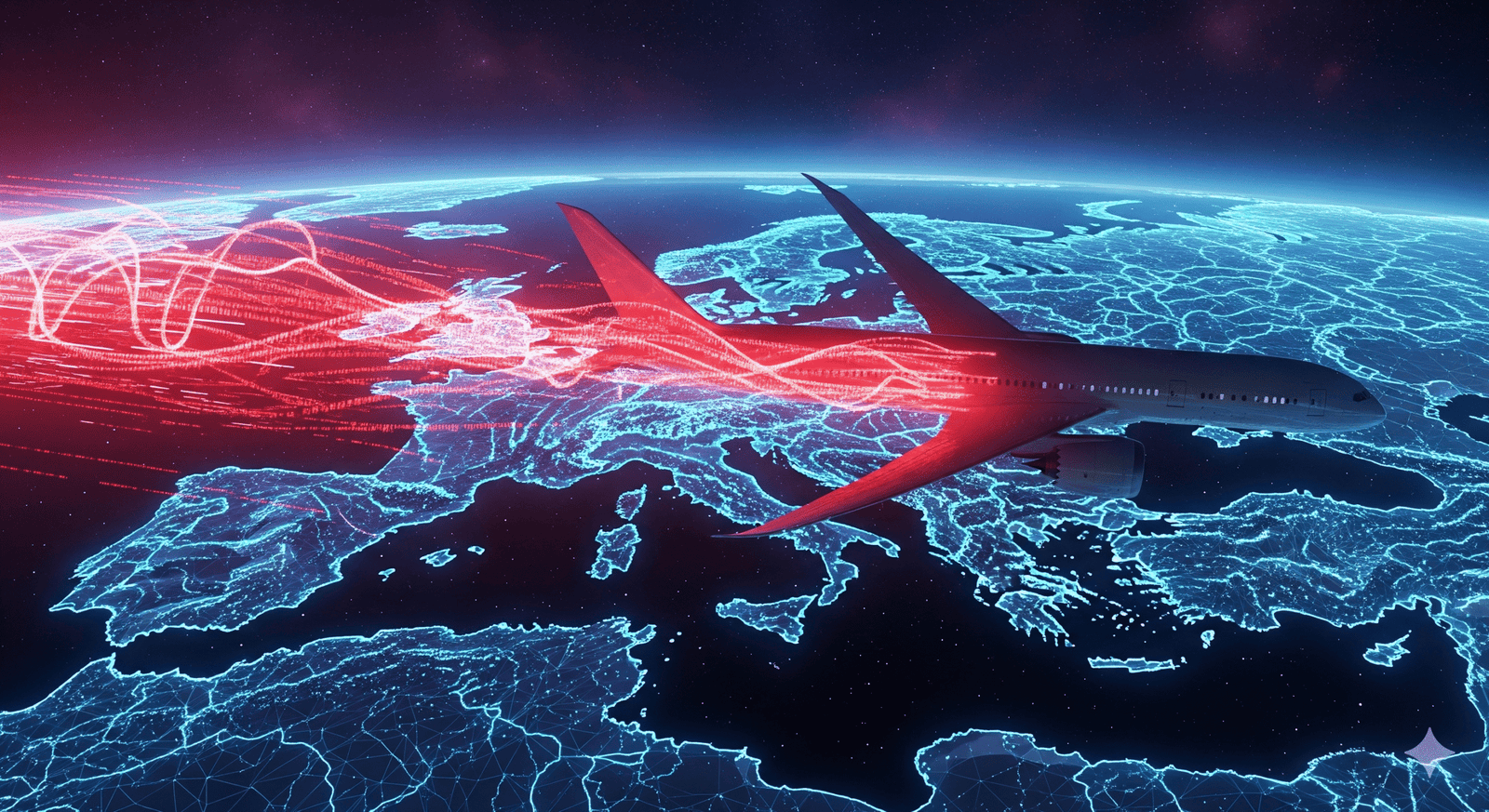





The global landscape has become a tapestry of unpredictability. As the old order of a seamlessly interconnected world gives way to an era of geopolitical volatility, companies are facing unprecedented challenges. The rise of new tariffs, persistent trade disputes, and international conflicts are not just abstract headlines; they are direct threats to supply chains, market access, and long-term growth. In this environment, the role of government relations (GR) firms has evolved from mere lobbying to a critical strategic function. These firms are now on the front lines, helping clients move beyond a reactive stance to proactively understand and navigate the complex political dynamics in multiple markets.
The need for a sophisticated approach to government affairs has never been more evident. According to recent reports, nearly all CEOs (97%) have had to alter their corporate strategies in response to geopolitical challenges, with many reconfiguring their supply chains, exiting certain markets, or halting planned investments. A recent survey by the World Economic Forum identified “State-based armed conflict” and “Geoeconomic confrontation” as top global risks for 2025. This structural fragmentation of the global system is a key driver behind the need for companies to build a robust “geopolitical radar,” a term coined by experts to describe a firm’s capacity to track and assess evolving political dynamics.
GR firms are at the heart of building this radar. Their role has expanded beyond legislative tracking and regulatory compliance to include sophisticated scenario planning and risk analysis. Instead of just reacting to a new tariff, they are now helping companies anticipate which trade corridors are at risk, which new alliances are forming, and what the long-term impact on their business model will be. This involves a deep integration of political intelligence into all facets of corporate strategy, from supply chain management and R&D to capital flows and brand reputation. For example, a recent case study showed a financial services firm in the Asia-Pacific region hiring a specialized consultant to model the business implications of various U.S.-China tensions, allowing them to prepare for potential capital flow and currency volatility.
This proactive approach is particularly crucial for industries at the forefront of geopolitical competition, such as technology. The “AI Cold War,” a key geopolitical trend of 2025, sees countries racing to innovate and regulate AI, creating technological blocs and disrupting international cooperation. GR firms are advising tech companies on how to navigate this fragmented landscape, ensuring they can access key markets while complying with a patchwork of national security and data privacy regulations. Similarly, the energy and natural resources sectors are highly exposed to geopolitical risk, with firms needing to advise on everything from managing supply chain disruptions in conflict-prone regions to fast-tracking alternative trade corridors.
The focus on proactive risk management is not just about avoiding losses; it’s about identifying opportunities. Geopolitical shifts are creating new trade corridors and investment hubs. GR firms are helping clients pivot to new regions, engage in “friendshoring” (relocating supply chains to politically aligned countries), and localize their operations to improve resilience. This requires a nuanced understanding of a country’s internal political climate, its alliances, and its strategic priorities. The old model of a simple, globalized supply chain is being replaced by a more complex, segmented one, and GR firms are the guides helping companies navigate this transition.
In conclusion, the era of geopolitical volatility has permanently altered the corporate landscape. The days of viewing government relations as a secondary, compliance-focused function are over. Today, it is a strategic necessity, a vital component of any resilient business model. Firms with deep expertise in political dynamics and a forward-looking, evidence-based approach are not just helping companies survive—they are helping them transform geopolitical challenges into opportunities for growth and long-term resilience. The ability to anticipate the next tariff, the next trade dispute, or the next international conflict is no longer a luxury; it is the key to business success in 2025 and beyond.
21 Bullet Points on Geopolitical Volatility and Business
- Date: August 17, 2025
- Geopolitical volatility is a top concern for businesses in 2025.
- Nearly all CEOs (97%) have altered their strategies in response to geopolitical risks.
- The World Economic Forum identifies “State-based armed conflict” as a top risk for 2025.
- “Geoeconomic confrontation” (tariffs, sanctions) is also a major risk.
- This volatility requires companies to build a “geopolitical radar.”
- The role of government relations (GR) firms has become more strategic.
- GR firms help clients move from reactive to proactive risk management.
- This involves deep understanding of political dynamics in multiple markets.
- Companies are reconfiguring supply chains and exiting certain markets.
- The “AI Cold War” is a key geopolitical trend influencing tech companies.
- GR firms advise on navigating fragmented tech regulations.
- The energy sector is highly exposed to geopolitical risk.
- Companies are engaging in “friendshoring” to align supply chains with allies.
- New trade corridors and investment hubs are emerging.
- GR firms help identify and leverage new opportunities.
- This requires understanding a country’s political climate and alliances.
- The old model of a single global supply chain is being replaced.
- Companies are moving toward a more segmented, resilient model.
- The ability to anticipate geopolitical events is now a key business skill.
- Geopolitical risk management is now a boardroom issue.
- The complexity of the global landscape is driving demand for specialized GR services.
The Four W’s: When, Where, Why, and Who
- When: The trends and analyses discussed are highly current, reflecting the state of affairs in 2025. The information is based on recent reports, expert opinions, and business strategies developed and implemented throughout the year, as of mid-August 2025.
- Where: The geopolitical volatility and its impact are global, affecting companies and markets in various regions. Specific examples relate to the U.S., Russia, China, the EU, the Middle East, and the Asia-Pacific region (including India). GR firms operate in major capitals worldwide to address these global and local dynamics.
- Why: Geopolitical volatility is a major concern because it directly disrupts business operations, increases costs, creates regulatory uncertainty, and threatens long-term growth. Companies need to understand these risks to ensure the resilience of their supply chains, protect their investments, and maintain their reputation in a world of conflicting interests.
- Who: The key actors are companies and their CEOs, who must adapt their strategies. Government relations firms and specialized consultants are the experts they turn to for guidance. The governments of various nations are the primary drivers of the policies (tariffs, sanctions) and conflicts that create the volatility. Lastly, investors and consumers are also impacted by the fallout from these geopolitical events.