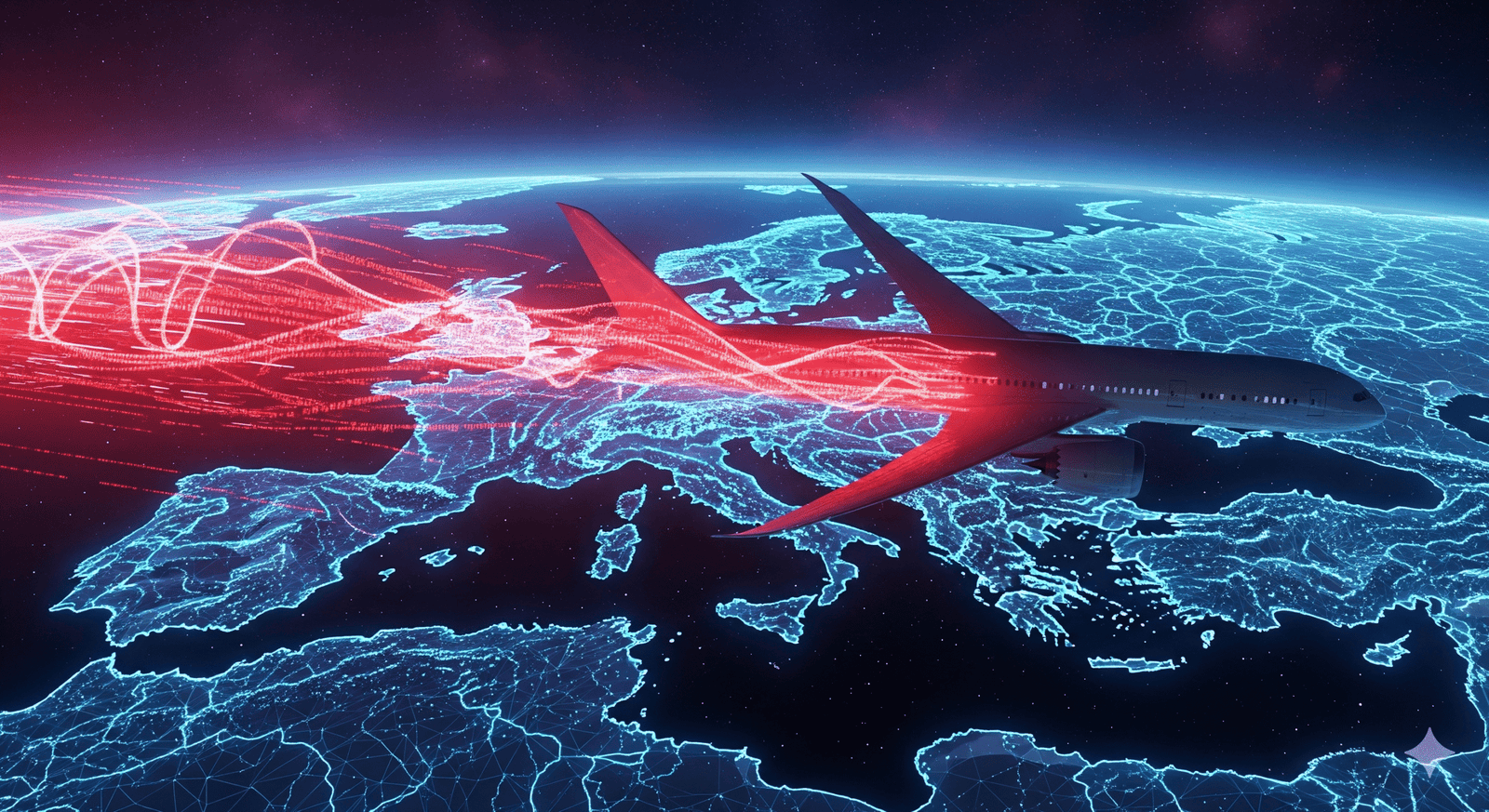




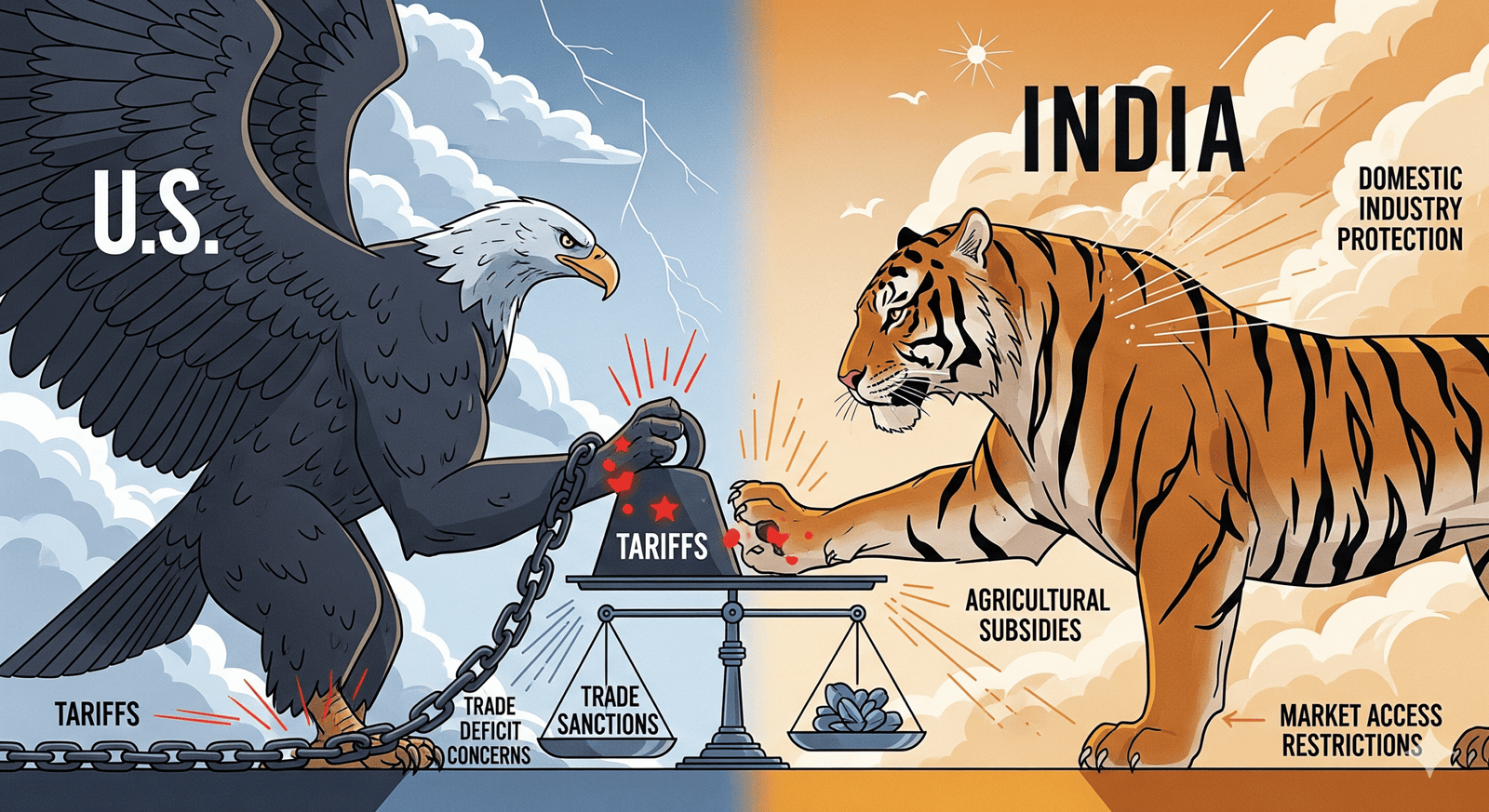
In a bold and unyielding stance, India’s Prime Minister Narendra Modi has vowed not to succumb to U.S. pressure over new tariffs, igniting a fresh and potent phase of a trade dispute between the world’s two largest democracies.1 Speaking from a rally in Ahmedabad on August 25, 2025, Modi issued a powerful message, asserting that his government would “never let any harm come to the small entrepreneurs, farmers, and animal keepers” of the nation, even in the face of what he described as a “politics based on economic interests.”2 This declaration comes just days before a new, steep 50% tariff on Indian goods, imposed by the Trump administration, took effect on August 27.3 The confrontation marks a significant inflection point in a relationship that has often been hailed as a defining partnership of the 21st century.
The escalating trade tensions are a direct result of the Trump administration’s decision to impose an additional 25% tariff on Indian goods, bringing the total duty to a crippling 50%.4 This measure, according to the White House, is a penalty for India’s continued purchase of discounted Russian crude oil.5 U.S. officials, including former National Trade Council Director Peter Navarro, have accused India of indirectly funding Russia’s war in Ukraine by buying its oil at a reduced rate.6 India, however, has consistently and forcefully dismissed these claims. Foreign Minister S. Jaishankar has publicly stated that New Delhi’s energy policy is driven by the need to secure affordable energy for its 1.4 billion citizens, not by geopolitical allegiances.7 The Indian government argues that its actions are guided by strategic autonomy and national interest, not a subservience to any external power.8
The tariffs are a major blow to India’s export-driven economy, with some analysts from the Global Trade Research Initiative (GTRI) predicting a 43% decline in overall shipments to the U.S. and a collapse of up to 70% in labor-intensive sectors like textiles, gems, and jewelry. The livelihood of hundreds of thousands of Indian workers is at risk. Despite this, the Indian government’s response has been one of resolve, not retaliation. Commerce and Industry Minister Piyush Goyal has affirmed that India will not “bow down or appear weak.”9 Instead of engaging in a tit-for-tat tariff war, the government is focusing on domestic reforms and diversification.
In a move to cushion the economic impact, New Delhi is reportedly considering a revamp of its Goods and Services Tax (GST) framework to boost domestic consumption and support affected sectors.10 The government is also looking to expand its trade relationships with other nations, including China and countries in the Middle East and Latin America, as a means of reducing its reliance on the U.S. market.11 The ongoing standoff has brought into sharp focus the precarious nature of the U.S.-India relationship, with some analysts warning that the “transactional politics” of the current U.S. administration risk pushing New Delhi closer to Beijing and Moscow, a development that would undermine decades of U.S. strategy to build India into a counterbalance against China.12 For now, however, India remains steadfast in its position, willing to bear the economic pressure to uphold its principles of strategic autonomy and self-reliance.13
21 Bullet Points on PM Modi’s Stance on U.S. Tariffs (August 25, 2025)
- India’s Prime Minister Narendra Modi vowed to resist U.S. pressure over new tariffs.14
- The statement was made at a public rally in Ahmedabad, Gujarat, on August 25, 2025.15
- The U.S. has imposed an additional 25% tariff on Indian goods.16
- The total tariff on many Indian goods is now a steep 50%.17
- The new tariffs took effect on Wednesday, August 27, 2025.18
- The Trump administration claims the tariffs are a penalty for India’s purchase of discounted Russian crude oil.19
- PM Modi vowed to protect small entrepreneurs, farmers, and animal keepers.20
- India has denied the U.S. accusation, stating its energy policy is guided by national interest.21
- Foreign Minister S. Jaishankar said India’s oil purchases are essential for its citizens.22
- Analysts from the GTRI predict a 43% decline in India’s total exports to the U.S.23
- Labor-intensive sectors like textiles and gems are expected to be hit the hardest.24
- The government’s response is one of resolve, not retaliation with counter-tariffs.25
- India is exploring a revamp of its Goods and Services Tax (GST) to boost domestic consumption.26
- The government is also helping exporters find new markets in other countries.27
- The trade dispute highlights the strain in the U.S.-India relationship.28
- Some analysts believe the U.S. policy may push India closer to China and Russia.29
- Commerce and Industry Minister Piyush Goyal stated India will “not bow down or appear weak.”30
- The tariff dispute is impacting ongoing negotiations for a Bilateral Trade Agreement (BTA).31
- The U.S. had previously requested market access to India’s agricultural and dairy sectors.32
- The tariffs are a significant challenge to PM Modi’s “Make in India” and “Atmanirbhar Bharat” (Self-Reliant India) initiatives.33
- The Indian government has maintained its position of strategic autonomy.34
Separate Answer: When, Where, Why, and Who
When
Indian Prime Minister Narendra Modi’s statement was made on Monday, August 25, 2025.35 The U.S. tariffs that prompted the statement took effect on August 27, 2025.36
Where
PM Modi made his remarks during a public address in Ahmedabad, Gujarat, India.37
Why
PM Modi made the statement in response to new tariffs imposed by the U.S. government on Indian goods.38 The U.S. has used these tariffs to pressure India to stop purchasing discounted Russian crude oil, which it claims helps fund Russia’s war in Ukraine.39 Modi vowed not to yield to this pressure, stating that India’s national interest and the well-being of its small businesses and farmers are paramount.40
Who
- The Speaker: Narendra Modi, the Prime Minister of India.41
- The Imposer of Tariffs: The U.S. government under President Donald Trump’s administration.42
- The Subject of Tariffs: Indian goods, with a focus on labor-intensive sectors like textiles, gems, and jewelry.43
- The Beneficiaries: Indian farmers and small business owners whom Modi pledged to protect.44
You can view news coverage of the event and PM Modi’s address in this video. PM Modi’s message to Donald Trump on tariffs.