




Here are 21 key bullet points on the latest news regarding Iran’s suspension of collaboration with the UN nuclear watchdog, as of July 2-4, 2025:
- Formal Suspension Initiated (July 2, 2025): Iran’s President Masoud Pezeshkian officially endorsed legislation to cease working with the International Atomic Energy Agency (IAEA).
- Legislative Endorsement: This presidential directive followed a conclusive vote in Iran’s Parliament on June 25, which overwhelmingly supported discontinuing cooperation.
- Constitutional Body’s Approval: The proposed law also gained the necessary assent from Iran’s Guardian Council, a constitutional oversight entity.
- Immediate Implementation: The new legislation has taken immediate effect, substantially altering the IAEA’s access and oversight capabilities within Iran.
- Reaction to Recent Military Actions: The suspension is a direct consequence of recent alleged military assaults by the US and Israel on Iranian nuclear installations.
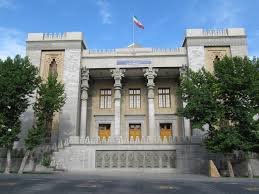
- Inability to Safeguard Inspectors: Iran’s Foreign Ministry has explicitly stated its inability to guarantee the safety of IAEA inspectors amidst the heightened tensions.
- Departure of Observers (July 4, 2025): The IAEA confirmed that its remaining inspectors safely exited Iran, returning to Vienna.
- IAEA’s Plea for Re-engagement: IAEA Director General Rafael Grossi stressed the “paramount significance” of discussing arrangements for resuming monitoring and verification activities with Iran.
- Concerns Regarding Uranium Refinement: The IAEA chief had previously indicated that Iran could recommence uranium enrichment within a “few months,” notwithstanding the recent attacks.
- Purported US Strike Impact: The Pentagon’s assessment suggests that US strikes on Iran’s nuclear sites might have set back Tehran’s nuclear program by one to two years, though initial evaluations were more cautious.
- Targets of US Military Action (June 22, 2025): US bombers reportedly struck three Iranian nuclear sites, including Fordow, Natanz, and Isfahan, utilizing bunker-buster ordnance and Tomahawk cruise missiles.
- Iran’s Acknowledgment of Harm: Iran’s Foreign Minister Abbas Araqchi admitted to “severe” and “extensive” damage at facilities such as Fordow.
- Assertion of Enduring Expertise: Despite the physical damage, Iran maintains that its nuclear “technology and expertise persist.”
- Critique of IAEA’s “Inaction”: Iranian officials strongly criticized the IAEA for its perceived “silence” concerning the US and Israeli military actions against its nuclear facilities.
- Condemnation of UN Resolution (June 12, 2025): Iran additionally criticized a United Nations resolution adopted on June 12, which alleged its non-compliance with nuclear commitments, perceiving the resolution as a justification for the recent attacks.
- Refusal of Grossi’s Access Request: Iran declined Grossi’s requests to visit the bombed locations, citing “malicious intent.”
- Allegations of Threats to IAEA Head: Britain, France, and Germany have condemned unspecified “threats” directed at the IAEA chief.
- US Deems Suspension “Unacceptable”: The US State Department labeled Iran’s decision to halt cooperation “unacceptable,” urging Tehran to reverse its course.
- Dawn of “Nuclear Uncertainty”: The departure of inspectors ushers in an era of “nuclear uncertainty,” as the IAEA is effectively without insight into the current status of Iran’s nuclear sites.
- Israel’s Demand for Renewed Sanctions: Israel’s Foreign Minister urged European nations to activate the “snapback” mechanism of the 2015 nuclear accord, reinstating UN sanctions.
- Iran’s Commitment to NPT: Notwithstanding the halted cooperation, Iran’s Foreign Minister asserted that Tehran upholds its dedication to the Nuclear Non-Proliferation Treaty (NPT).