


Here are 21 key bullet points on the latest developments regarding Iran’s nuclear program, including the IAEA chief’s statements, alleged US strikes, and inspector security warnings, as of July 3, 2025:
- IAEA Chief’s Warning (June 29, 2025): Rafael Grossi, head of the UN nuclear watchdog (IAEA), stated that Iran could resume uranium enrichment within “months,” possibly even “a few cascades of centrifuges spinning.”
- Resilience Despite Damage: Grossi emphasized that Iran’s nuclear capabilities and expertise remain largely intact despite recent attacks, as “you cannot undo the knowledge that you have.”
- No Nuclear Weapons (IAEA View): Grossi clarified that, according to the IAEA, Iran does not currently possess nuclear weapons.
- Undeclared Uranium Traces: The IAEA has found unexplained traces of uranium at undeclared sites in Iran and has not received credible answers regarding their origin.
- Unknown Stockpile Location: Grossi admitted the IAEA does not know the current location of Iran’s highly enriched uranium stockpile, raising concerns it could have been moved or destroyed.
- Iran Halts IAEA Cooperation (July 2, 2025): Iran officially suspended its cooperation with the IAEA, following a parliamentary vote on June 25, a move the US described as “unacceptable.”
- Iranian President Approves Suspension (July 2, 2025): President Masoud Pezeshkian formally approved the law mandating the suspension of IAEA cooperation.
- Inspectors Barred from Sites: Under the new legislation, IAEA inspectors are now barred from accessing Iranian nuclear facilities without approval from Iran’s Supreme National Security Council.
- No Guarantee for Inspector Security (July 1, 2025): Iran’s Foreign Ministry spokesperson reportedly stated that the security of IAEA inspectors cannot be guaranteed after alleged US strikes.
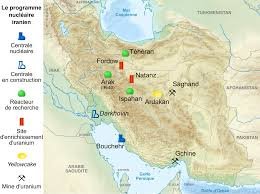
- Alleged US Strikes on Nuclear Sites (June 22, 2025): The United States launched strikes on three key Iranian nuclear facilities: Fordow, Natanz, and Isfahan.
- Israel’s Prior Strikes (June 13, 2025): Israel initiated a bombing campaign targeting Iranian nuclear and military facilities, stating the aim was to prevent nuclear weapon development.
- Damage Assessment Discrepancy: While US President Donald Trump claimed the strikes “obliterated” Iran’s nuclear program, the Pentagon later assessed a setback of “one to two years at least” (July 3, 2025).
- Iran Acknowledges “Serious” Damage: Iranian Foreign Minister Abbas Araghchi acknowledged “serious” damage to the sites but maintained that “one cannot obliterate the technology and science through bombings.”
- No Uranium Movement, Says Trump: President Trump denied claims that Iran moved its highly enriched uranium stockpile before the attacks, citing lack of time and difficulty.
- Iran’s Uranium Enrichment Level: Iran is enriching uranium to 60%, significantly beyond the 3.67% allowed under the JCPOA (2015 nuclear deal) and close to weapons-grade (90%).
- Souring IAEA-Iran Ties: Relations between Iran and the IAEA have deteriorated since the Iran-Israel conflict began on June 13, with Tehran criticizing the IAEA’s “silence” on the strikes.
- IAEA Resolution Condemned by Iran (June 12, 2025): Iran condemned a prior IAEA Board of Governors resolution accusing it of non-compliance, claiming it provided a pretext for the attacks.
- Threats Against IAEA Chief: Britain, France, and Germany have condemned unspecified “threats” made against IAEA chief Rafael Grossi.
- Calls for “Snapback” Sanctions: Israel’s Foreign Minister urged European signatories of the 2015 nuclear deal to trigger the “snapback” mechanism and reinstate all UN sanctions on Iran (July 2, 2025).
- Iran’s NPT Withdrawal Warning: Iranian officials have warned that the suspension of cooperation could prompt their withdrawal from the Nuclear Non-Proliferation Treaty (NPT).
- Global Security Implications: The ongoing nuclear concerns and escalating tensions pose a significant challenge to regional stability and the global non-proliferation regime.