




In the bustling metropolis of Karachi, a city of contrasts and economic vitality, a routine security alert has sent a ripple of concern through the diplomatic community. The U.S. government, through its Consulate General in Karachi, has issued a temporary restriction on official visits to high-end hotels in the city, citing a threat report. While such alerts are not uncommon, this development serves as a stark reminder of the persistent and complex security challenges that underlie the surface of diplomatic and economic engagement in the region.
The alert, issued on August 1st, 2025, is a direct response to a “threat directed at high-end hotels,” though the specific nature of the threat has not been disclosed. This lack of detail is typical of such advisories, as it prevents the dissemination of sensitive intelligence while still taking a necessary precautionary measure. For American personnel, this means a temporary suspension of visits to these establishments, a clear signal that the risk has been deemed credible and substantial. This action is rooted in the U.S. State Department’s broader policy of restricting access to certain public areas—including hotels, markets, and tourist sites—for its personnel when threats emerge, a strategy to mitigate risks in volatile environments.
This latest alert must be viewed within the context of the long-standing U.S. travel advisory for Pakistan, which currently stands at “Level 3: Reconsider Travel.” This advisory, in effect for some time, is a testament to the ongoing risks of terrorism and armed conflict in the country. Karachi, as a sprawling economic hub and a city with a history of security challenges, has often been a focal point for such diplomatic caution. Violent extremist groups continue to operate in the country, and their targets have historically included civilian, government, and Western-affiliated locations. The threat to “high-end hotels” is particularly concerning, as these venues are often frequented by foreign diplomats, business travelers, and expatriates, making them prime targets for those seeking to inflict maximum damage and sow fear.
What makes this particular alert so noteworthy is its timing. It comes amidst a recent shift in the U.S.-Pakistan bilateral relationship, marked by a new trade deal and a massive oil partnership. Just as both nations were turning a new chapter and highlighting areas of cooperation, a security concern has re-emerged to underscore the fragility of the operating environment. This juxtaposition highlights the delicate balancing act faced by foreign governments: pursuing strategic interests and fostering economic ties while simultaneously managing the very real and present security risks to their personnel. The incident serves as a powerful illustration that a positive diplomatic trajectory does not automatically translate to a safer security landscape on the ground.
The implications of this alert extend beyond just U.S. government officials. The advisory serves as a warning to all American citizens in the city, urging them to adopt a “low profile,” avoid crowded areas, and remain vigilant. Other nations, such as Canada, have similar advisories in place, with a specific warning to avoid non-essential travel to Karachi. This creates an atmosphere of unease and can affect the confidence of foreign investors and travelers, even if the restrictions are temporary.
In the end, the security alert is a sobering reminder that for all its progress and potential, Pakistan remains a country with significant security challenges. It is a signal to both local and international communities that while diplomatic and economic partnerships may flourish, the underlying security landscape requires constant vigilance and proactive measures. The task for Pakistani authorities will be to address these threats and restore a sense of security, not just for foreign diplomats, but for all who call this vibrant city home.
The Latest on U.S. Security Alert in Karachi
- August 1, 2025: The U.S. State Department issued a security alert for U.S. government personnel in Pakistan.
- August 1, 2025: The alert was specifically prompted by a “threat directed at high-end hotels in Karachi.”
- August 1, 2025: The U.S. Consulate General in Karachi, which received the report, temporarily limited official visits to these hotels.
- August 1, 2025: This temporary limitation is a precautionary measure to ensure the safety of U.S. personnel.
- August 1, 2025: The specific nature or source of the threat has not been publicly disclosed by the State Department.
- August 1, 2025: The alert advises all U.S. citizens in Karachi, not just government officials, to exercise caution.
- August 1, 2025: It urges people to avoid crowds, maintain a low profile, and remain vigilant.
- August 1, 2025: The alert also specifically mentions being aware of surroundings in places frequented by tourists and Westerners.
- July 31, 2025: The security alert was a follow-up to a previous alert issued by the U.S. Consulate General in Karachi.
- August 2, 2025: The U.S. travel advisory for Pakistan remains at “Level 3: Reconsider Travel” due to the risk of terrorism and potential for armed conflict.
- August 2, 2025: The security situation in Karachi, a major economic hub, has long been a concern for foreign missions and travelers.
- August 2, 2025: The U.S. has a standing policy of occasionally placing areas like tourist attractions, hotels, markets, and malls off-limits to personnel in response to credible threats.
- August 2, 2025: The alert did not specify a timeframe for when the restrictions would be lifted.
- August 2, 2025: Local and international media have widely reported on the alert, highlighting the persistent security challenges in the city.
- August 2, 2025: This development comes amidst a new chapter in U.S.-Pakistan bilateral relations, including a newly announced oil partnership and trade deal.
- August 1, 2025: The alert emphasizes that violent extremist groups continue to plot attacks in Pakistan, often targeting civilians and government facilities.
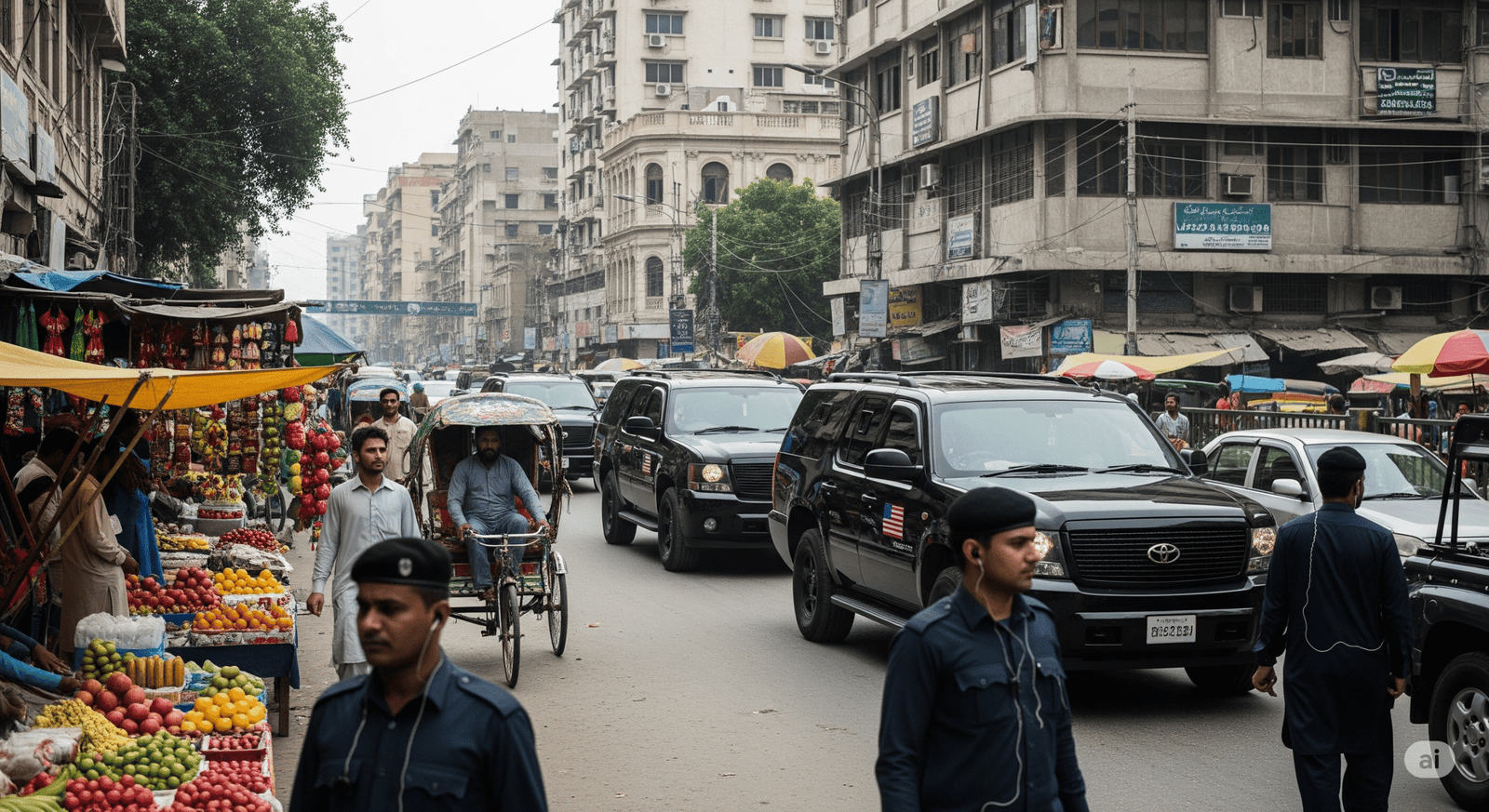
- August 1, 2025: The U.S. government requires its personnel in certain parts of Pakistan to use armed escorts and armored vehicles, showcasing the high-risk environment.
- August 2, 2025: Other countries, such as Canada, also have similar advisories in place for Pakistan, with a specific warning to avoid non-essential travel to Karachi.
- August 2, 2025: The incident underscores the delicate balance between diplomatic and economic engagement and the practical security concerns of foreign governments.
- August 2, 2025: The lack of specific detail on the threat itself has led to some speculation in local media about the nature of the potential attack.
- August 2, 2025: Pakistani officials have not yet released a formal public statement directly responding to the U.S. security alert.
Analysis of the U.S. Security Alert
Who: The primary actors are the U.S. government, specifically the U.S. State Department and the U.S. Consulate General in Karachi, and their official personnel. The advisory also extends to all U.S. citizens in the region. The “threat report” points to the presence of unidentified groups or individuals who pose a security risk.
When: The most recent security alert was issued on August 1, 2025. This is an updated measure, as Pakistan has been under a “Level 3: Reconsider Travel” advisory for some time, and the U.S. Consulate in Karachi had issued a previous alert on July 31, 2025.
Where: The advisory is specifically focused on “high-end hotels in Karachi, Pakistan.” The entire country of Pakistan is under a broader, long-standing travel advisory due to security risks.
Why: The U.S. government limited visits to these hotels in response to a “report of a threat” that was deemed credible enough to warrant a temporary restriction. This action is a standard precautionary security measure to protect government personnel and citizens from potential terrorist attacks or other acts of violence. The broader context is the ongoing security challenges in Pakistan, which has a history of terrorism and armed conflict.