


Eighty years have passed, yet the sky over Nagasaki remains forever imprinted with the flash of August 9, 1945. Today, the city in southwestern Japan stood in solemn remembrance, marking the 80th anniversary of the United States’ atomic bomb attack that instantly and irrevocably altered its destiny. As the world grapples with new and escalating armed conflicts, the poignant commemorations served as a powerful and timely plea for peace, with Nagasaki’s Mayor Takeshi Murayama delivering a heartfelt address urging global leaders to abandon the path of violence.
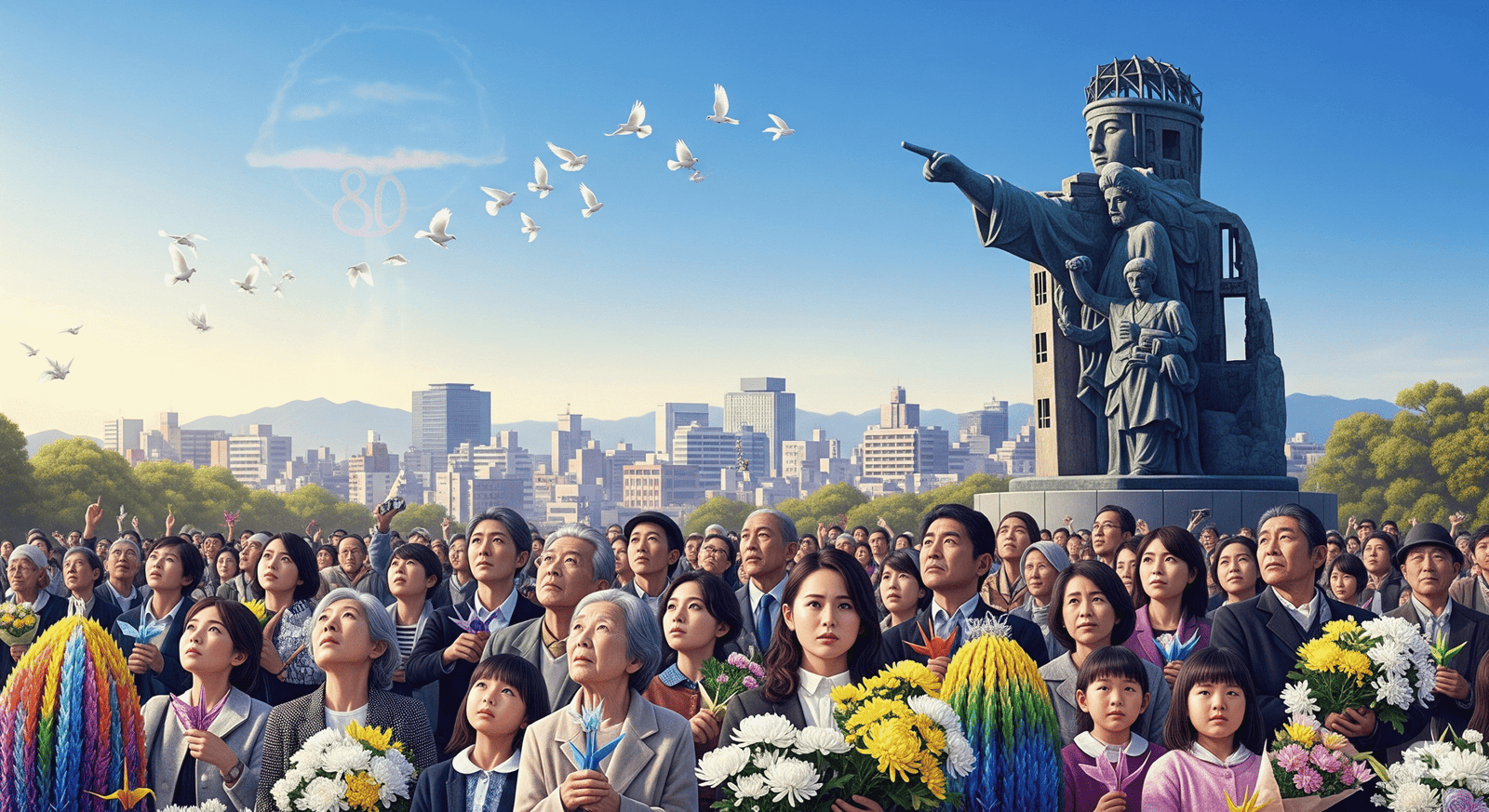
The annual ceremony, held at Peace Park beneath a somber sky, was a deeply moving affair. Surviving victims, known as “hibakusha,” their families, Japanese dignitaries, and representatives from around the world gathered to offer prayers and observe a moment of silence at 11:02 a.m., the exact time the plutonium bomb, nicknamed “Fat Man,” detonated above the city. The average age of the hibakusha is now over 85, their dwindling numbers adding a sense of urgency to their message: the horrors of nuclear war must never be repeated, and the world must actively strive for lasting peace.
Mayor Murayama’s speech resonated with the weight of history and the urgency of the present. He spoke of the unimaginable suffering endured by the people of Nagasaki – the tens of thousands instantly killed, the countless more who succumbed to radiation sickness in the years that followed, and the enduring physical and emotional scars that continue to plague survivors and their descendants. He lamented the ongoing armed conflicts across the globe, emphasizing the tragic human cost and the ever-present threat of further escalation. In a direct appeal to world leaders, Mayor Murayama called for a concerted effort to de-escalate tensions, prioritize diplomacy over military action, and ultimately achieve a world free from the scourge of war. He specifically highlighted the importance of denuclearization, urging nations to work together to eliminate nuclear weapons and prevent their proliferation.
The anniversary also served as a platform for reflection on the lessons learned from the atomic bombings. Speakers emphasized the importance of historical memory, ensuring that the experiences of Hiroshima and Nagasaki are never forgotten. They stressed the need for education about the devastating consequences of nuclear weapons and the critical importance of fostering a culture of peace and understanding among nations. Many hibakusha shared their personal stories, their voices often frail but their message resolute: the path to a secure future lies not in armed conflict, but in empathy, dialogue, and a commitment to peaceful resolution of disputes.
Amidst the somber commemorations, there was also a sense of hope and resilience. The people of Nagasaki have rebuilt their city from the ashes, transforming it into a beacon of peace and reconciliation. The Peace Park, with its poignant statues and memorials, stands as a testament to the enduring human spirit and the unwavering hope for a future where such devastation will never again be inflicted upon any community. As the 80th anniversary concludes, the powerful message from Nagasaki echoes across the globe, a stark reminder of the catastrophic consequences of armed conflict and a compelling call for humanity to choose the path of peace, dialogue, and mutual respect. In a world teetering on the brink of further conflict in various regions, the enduring plea from Nagasaki holds an even greater significance, urging us all to remember the past to safeguard the future.
Date: August 9, 2025
Nagasaki Marks 80th Anniversary of Atomic Bombing: 21 Key Points 🕊️
- 80th Anniversary: Nagasaki commemorated the 80th anniversary of the U.S. atomic bomb attack on August 9, 2025.
- Solemn Ceremony: A memorial ceremony was held at Peace Park in Nagasaki.
- Moment of Silence: Participants observed a moment of silence at 11:02 a.m. local time, the exact time of the bombing.
- Mayor’s Address: Nagasaki Mayor Takeshi Murayama delivered a speech urging the world to halt armed conflicts.
- Plea for Peace: Mayor Murayama emphasized the devastating human cost of war and the need for peaceful resolutions.
- Hibakusha Presence: Surviving atomic bomb victims, known as “hibakusha,” attended the ceremony.
- Aging Survivors: The average age of hibakusha is now over 85, highlighting the urgency of their message.
- Global Leaders Urged: Mayor Murayama called on world leaders to prioritize diplomacy and de-escalate tensions.
- Denuclearization Call: He specifically urged nations to work towards the elimination and non-proliferation of nuclear weapons.
- Remembering the Victims: The ceremony honored the tens of thousands killed instantly and those who died later from radiation sickness.
- Historical Memory: Speakers stressed the importance of remembering the experiences of Hiroshima and Nagasaki.
- Peace Education: The need for education about the consequences of nuclear weapons was emphasized.
- Survivor Stories: Hibakusha shared their personal accounts of the bombing and its lasting impact.
- Resilience of Nagasaki: The city was rebuilt after the devastation and stands as a symbol of peace.
- Peace Park Gathering: Dignitaries and representatives from around the world attended the commemoration.
- “Fat Man” Remembrance: The ceremony marked the detonation of the plutonium bomb nicknamed “Fat Man.”
- Global Conflicts Noted: Mayor Murayama acknowledged the ongoing armed conflicts across the world.
- Call for Diplomacy: The importance of dialogue and peaceful negotiation was a central theme.
- Hope for the Future: Despite the somber occasion, there was a sense of hope for a more peaceful future.
- International Cooperation: The need for international cooperation in disarmament efforts was highlighted.
- Enduring Message: The 80th anniversary served as a powerful and timely reminder of the catastrophic consequences of nuclear war and armed conflict.
When, Where, Why, and Who
- When: The 80th anniversary of the atomic bombing of Nagasaki was marked on August 9, 2025. The actual bombing occurred on August 9, 1945.
- Where: The commemorations took place in Nagasaki, Japan, primarily at Peace Park.
- Why: The anniversary is observed annually to remember the victims of the atomic bombing, to reflect on the devastating consequences of nuclear weapons and armed conflict, and to urge the world towards peace and denuclearization. This particular 80th anniversary carries additional weight as global tensions rise in various regions.
- Who: The key individuals and groups involved are:
- The citizens of Nagasaki, particularly the hibakusha (surviving victims) and their families.
- Mayor Takeshi Murayama of Nagasaki, who delivered the significant address.
- Japanese dignitaries and government officials.
- Representatives from various countries and international organizations attending the ceremony.
- The global community, as the message of peace and denuclearization is directed towards the world at large and its leaders.