





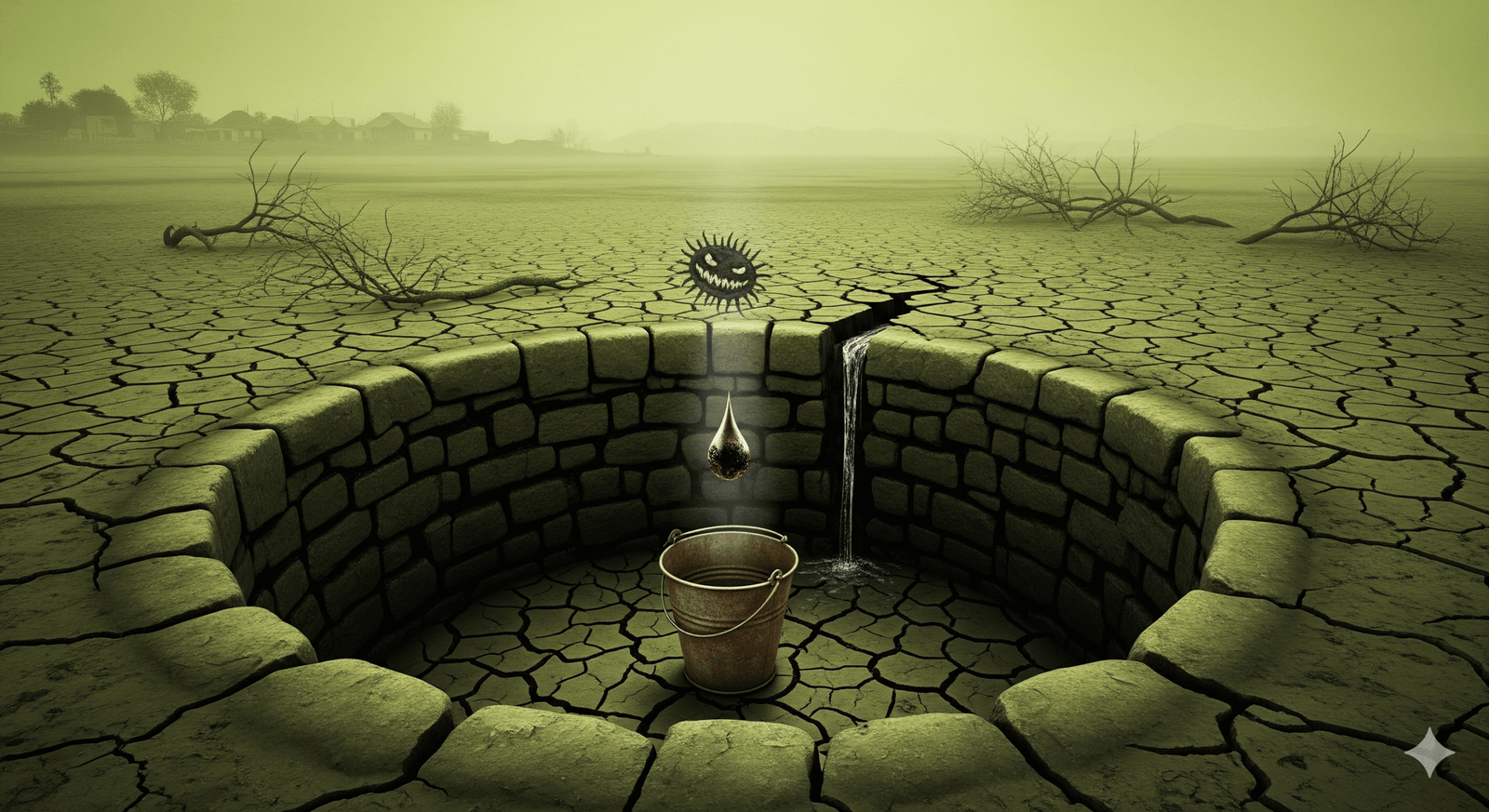
Nepal is currently grappling with a grave public health crisis: a cholera outbreak that has already sickened over 600 individuals and tragically claimed at least three lives. This isn’t just a localized health concern; it’s a stark reminder of the persistent vulnerabilities faced by many communities, particularly in regions where sanitation infrastructure is challenged and access to clean water is not universal. The silent spread of cholera, often exacerbated by environmental factors and socio-economic conditions, demands immediate and sustained attention to prevent a further escalation of this preventable disease.
Cholera, caused by the bacterium Vibrio cholerae, is an acute diarrheal infection that, if left untreated, can lead to severe dehydration and death within hours. Its rapid transmission through contaminated water and food sources makes it particularly dangerous in densely populated areas with inadequate waste management systems. The current outbreak in Nepal underscores how quickly such an infection can take hold and spread when the essential safeguards of public health are compromised. Each infection represents not just a statistic, but a person enduring severe illness, and each death is a preventable tragedy for a family and community.
Several factors likely contribute to the rapid spread of cholera in Nepal. The monsoon season, with its heavy rainfall and potential for flooding, often leads to the contamination of water sources. Overwhelmed drainage systems can mix sewage with drinking water supplies, creating ideal conditions for the cholera bacterium to thrive. Furthermore, in areas with limited access to piped, treated water, communities often rely on open wells, rivers, or less protected sources, which are highly susceptible to contamination. Compounding these environmental challenges are socio-economic factors such as poverty, limited health education, and inadequate healthcare access, which hinder early detection and treatment efforts.
The impact of this outbreak extends beyond the immediate health crisis. It places an enormous strain on Nepal’s healthcare system, which must rapidly mobilize resources, personnel, and medical supplies to manage the influx of patients. Public trust can erode if the response is perceived as slow or ineffective. Economically, the outbreak can disrupt daily life, impact tourism, and divert resources that could otherwise be used for long-term development. For affected families, the medical costs, loss of work, and emotional toll are significant.
Addressing this cholera outbreak requires a multi-pronged, coordinated approach. Immediate priorities include the rapid deployment of medical teams, establishment of oral rehydration points, and provision of intravenous fluids for severe cases. Crucially, efforts must focus on interrupting transmission by ensuring access to safe drinking water through purification tablets, bottled water, or emergency water treatment facilities. Public health campaigns are vital to educate communities on hygiene practices, safe food preparation, and the importance of seeking early medical attention for diarrheal symptoms.
In the long term, sustainable solutions are paramount. This involves significant investment in improving water infrastructure, including protected wells, piped water systems, and effective water treatment plants. Enhancing sanitation facilities, such as improved latrines and waste disposal systems, is equally critical. Strengthening disease surveillance systems will allow for earlier detection and quicker response to future outbreaks. Ultimately, the current cholera crisis in Nepal serves as a stark reminder that robust public health infrastructure and universal access to clean water and sanitation are not luxuries, but fundamental human rights and essential components of national resilience.
21 Bullet Points on Nepal Cholera Outbreak
Date: August 30, 2025
- A cholera outbreak has been reported in Nepal.
- Over 600 people have been infected.
- The outbreak has tragically resulted in at least 3 deaths.
- Cholera is an acute diarrheal infection caused by Vibrio cholerae bacteria.
- It spreads rapidly through contaminated water and food.
- The disease can cause severe dehydration and death if untreated.
- Inadequate sanitation infrastructure contributes to the spread.
- Limited access to clean drinking water is a major vulnerability.
- The ongoing monsoon season may exacerbate the situation.
- Flooding can lead to the contamination of water sources.
- Overwhelmed drainage systems can mix sewage with drinking water.
- Poverty and limited health education hinder prevention efforts.
- Inadequate healthcare access can delay detection and treatment.
- The outbreak is straining Nepal’s healthcare system.
- Rapid deployment of medical teams is an immediate priority.
- Establishment of oral rehydration points is crucial.
- Provision of intravenous fluids for severe cases is essential.
- Efforts focus on interrupting transmission via safe drinking water.
- Public health campaigns promote hygiene and safe food preparation.
- Long-term solutions include investment in water infrastructure.
- Improving sanitation facilities and waste disposal systems are vital.
Separate Answer: When, Where, Why, and Who
When
The cholera outbreak in Nepal has been recently identified, with the reported infections and deaths occurring in the days leading up to August 30, 2025. The crisis is ongoing and requires immediate attention to prevent further spread.
Where
The outbreak is taking place in Nepal. While specific regions or districts have not been detailed, cholera outbreaks typically occur in areas with poor sanitation and limited access to clean water, often in both urban informal settlements and rural communities.
Why
The “why” behind this cholera outbreak is multifaceted, stemming from a combination of environmental and infrastructural vulnerabilities:
- Contaminated Water Sources: The primary cause of cholera outbreaks is the consumption of water or food contaminated with Vibrio cholerae. This can occur due to inadequate water treatment, damaged water pipes, or the use of unprotected water sources.
- Poor Sanitation: Insufficient sewage systems and waste management allow contaminated waste to mix with fresh water supplies, especially during heavy rainfall.
- Monsoon Season: Heavy rains and potential flooding during the monsoon season can easily overwhelm existing infrastructure, leading to widespread contamination of water sources.
- Vulnerable Infrastructure: Many areas in Nepal, particularly after past natural disasters, may have damaged or inadequate infrastructure for water and sanitation, making them susceptible to such outbreaks.
- Limited Hygiene Practices: Lack of awareness or resources for proper handwashing and safe food preparation can also contribute to transmission.
Who
- Infected Individuals and Deceased: Over 600 people have been infected, and at least 3 have died, primarily individuals living in affected communities in Nepal.
- Nepalese Health Authorities: The Ministry of Health and Population, local health departments, and healthcare workers are on the front lines, responding to the outbreak, providing treatment, and implementing public health measures.
- Local Communities: Residents of the affected areas are directly impacted and are crucial in adopting hygiene practices and seeking timely medical help.
- International Aid Organizations: Groups like the World Health Organization (WHO), UNICEF, and various NGOs may be involved in providing technical support, medical supplies, and humanitarian assistance to aid Nepal’s response.