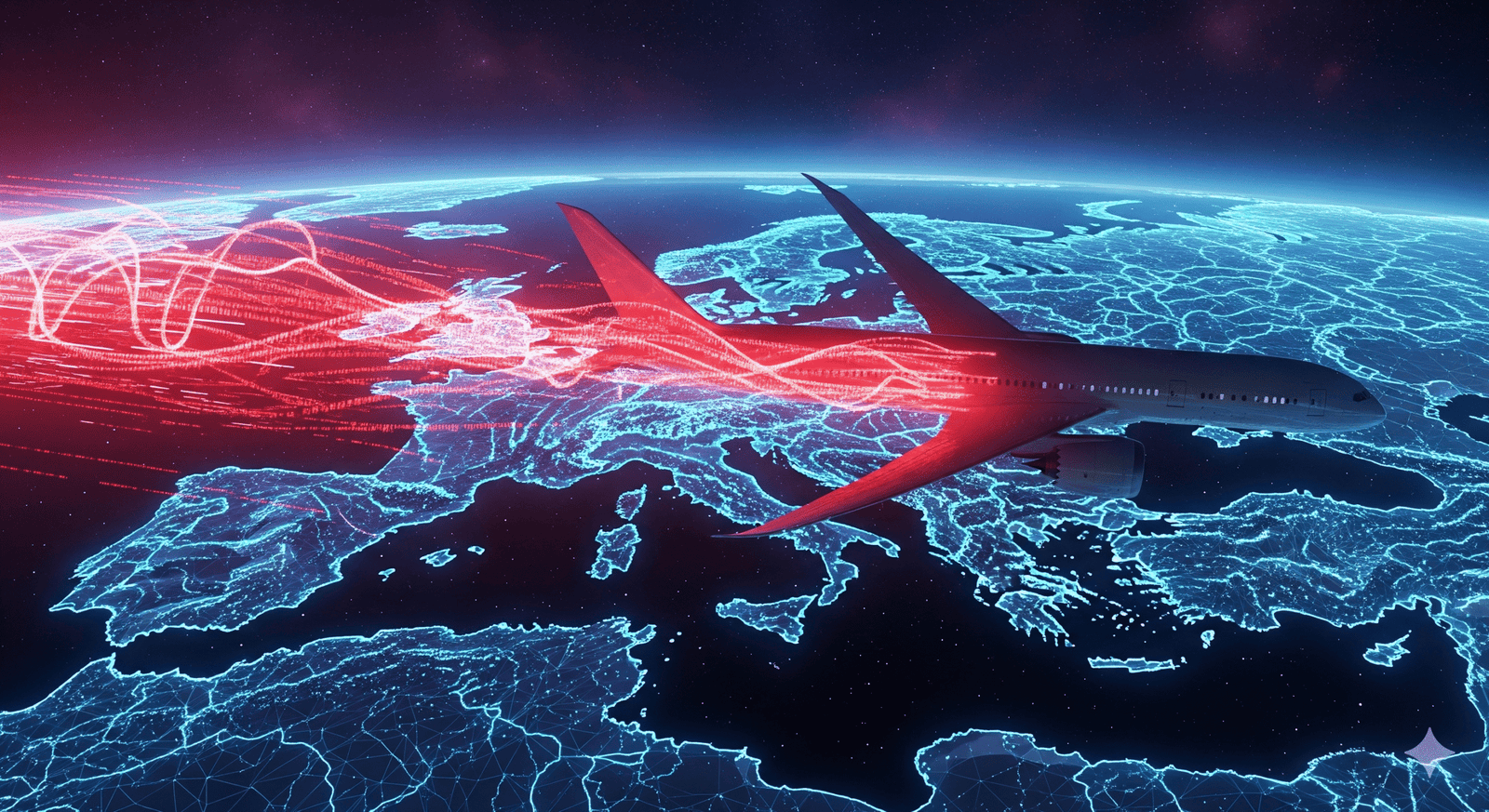




Even as diplomatic avenues tentatively open with the recent meeting between President Trump and President Zelenskyy, the harsh realities of the ongoing conflict in Ukraine refuse to recede. Disturbing reports have emerged of a significant escalation in Russian airstrikes targeting civilian areas across the embattled nation. This surge in violence casts a long and ominous shadow over the nascent peace initiatives, raising serious doubts about Moscow’s true commitment to de-escalation and a negotiated settlement.
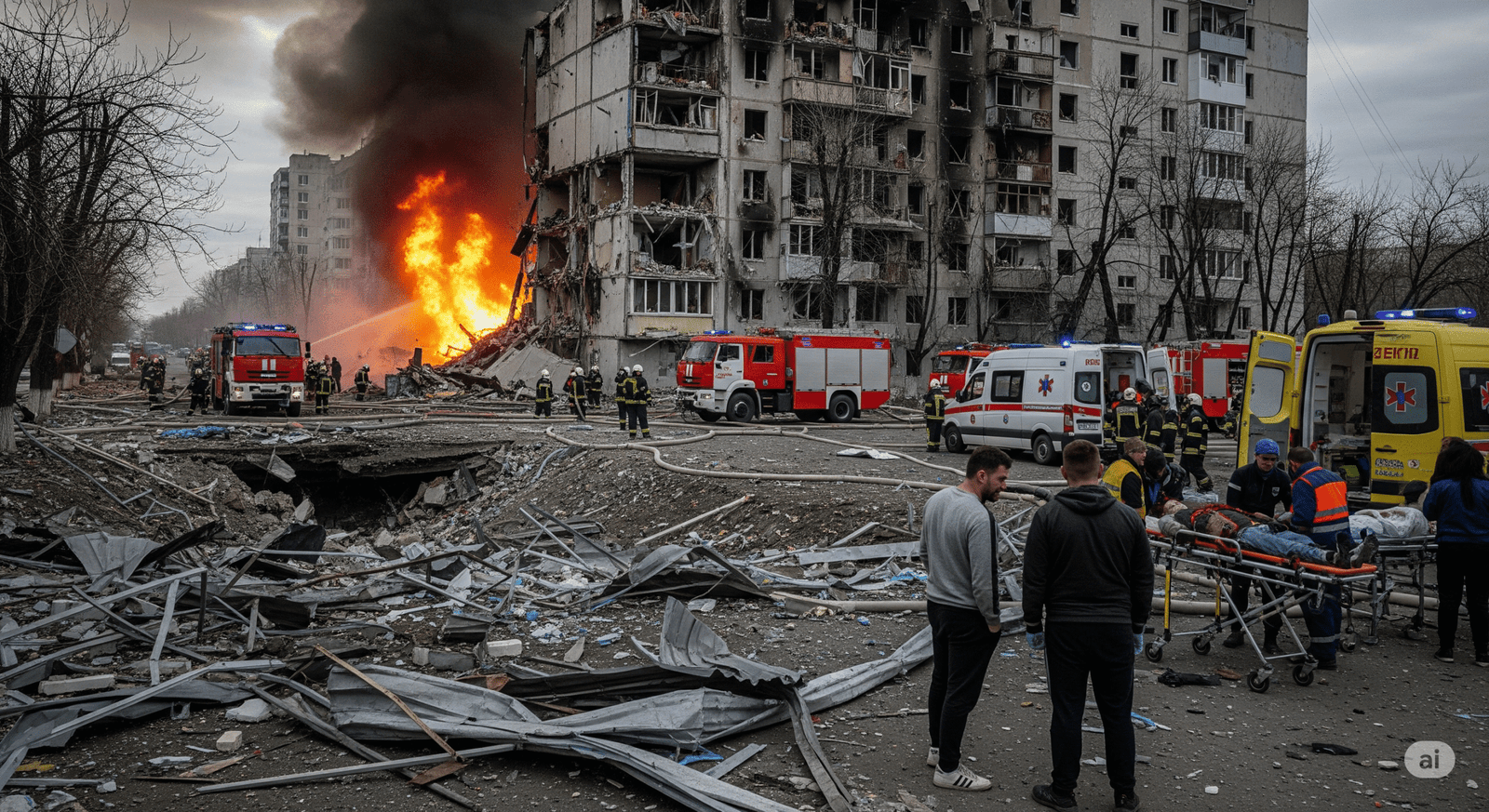
For the Ukrainian people, already enduring immense suffering and displacement, these intensified attacks represent a fresh wave of terror and uncertainty. Residential buildings, schools, hospitals, and critical infrastructure have reportedly come under fire, resulting in tragic loss of life and further devastation of already war-torn communities. The sheer brutality and indiscriminate nature of these strikes have drawn strong condemnation from Kyiv and international observers alike.
President Volodymyr Zelenskyy, visibly shaken by the latest onslaught, has vehemently denounced the Russian actions, labeling them as “cynical.” In a televised address to the nation, he accused Moscow of deliberately targeting civilians to sow fear and undermine the fragile hope for peace. He reiterated Ukraine’s unwavering resolve to defend its territory and protect its people, but also called on the international community to exert greater pressure on Russia to halt its aggression.
The timing of this escalation is particularly troubling. It comes on the heels of what some have described as promising initial steps in the diplomatic process, including the proposed summit between Presidents Putin and Zelenskyy. The intensified attacks could be interpreted in several ways. Some analysts suggest it is a deliberate attempt by Russia to gain leverage in any future negotiations, demonstrating its capacity to inflict further pain and potentially extract greater concessions from Ukraine. Others believe it reflects a deep-seated mistrust of the diplomatic process within certain factions of the Russian military and political establishment, who remain committed to achieving their objectives through force.
Whatever the underlying motivations, these intensified attacks present a significant challenge to the peace efforts championed by President Trump and supported by European allies. They risk further hardening Ukraine’s stance, making any compromise on key issues such as territorial integrity even more difficult. Moreover, the continued violence could erode international support for a negotiated settlement, potentially leading to a renewed focus on providing Ukraine with more advanced weaponry to counter the Russian aggression.
The international community now faces a critical juncture. It must collectively and unequivocally condemn Russia’s intensified attacks on civilian areas. Stronger sanctions, increased diplomatic pressure, and continued support for Ukraine’s defense capabilities may be necessary to compel Moscow to genuinely commit to a path of de-escalation and peaceful resolution. The hope for a lasting peace in Ukraine, however fragile, cannot be allowed to be extinguished by a renewed surge of violence and disregard for human life. The world watches with bated breath, hoping that the glimmer of diplomacy can somehow withstand the brutal realities on the ground.
21 Key Bullet Points on the Latest News (as of August 19, 2025)
- Date: August 19, 2025
- Headline: Russia Intensifies Airstrikes on Civilian Areas in Ukraine Amidst Peace Talks.
- Escalation of Violence: Reports indicate a significant increase in Russian airstrikes across Ukraine.
- Targeting Civilians: Civilian infrastructure, including residential buildings, schools, and hospitals, have allegedly been hit.
- President Zelenskyy’s Reaction: The Ukrainian President condemned the attacks as “cynical.”
- Accusation of Deliberate Targeting: Zelenskyy accused Russia of intentionally targeting civilians to spread fear.
- Impact on Peace Efforts: The intensified violence casts a shadow over the fragile diplomatic initiatives.
- Timing of Attacks: The escalation comes shortly after a meeting between Trump and Zelenskyy aimed at brokering peace.
- Potential Russian Motivations: Analysts suggest Russia may be trying to gain leverage in future negotiations.
- Mistrust of Diplomacy: Some believe the attacks reflect skepticism towards the peace process within Russia.
- Challenge to Negotiations: The increased violence could harden Ukraine’s stance on territorial concessions.
- Risk of Eroding International Support: Continued attacks may diminish support for a negotiated settlement.
- Renewed Focus on Military Aid: The escalation could lead to calls for increased arms shipments to Ukraine.
- International Condemnation: The attacks have drawn strong criticism from Kyiv and international observers.
- Call for Stronger Action: President Zelenskyy urged the international community to exert more pressure on Russia.
- Fragile Hope for Peace: The intensified violence threatens to derail the nascent peace efforts.
- Civilian Suffering: The attacks exacerbate the already immense humanitarian crisis in Ukraine.
- Disregard for Human Life: The indiscriminate targeting of civilian areas highlights a disregard for international norms.
- Critical Juncture: The international community faces a crucial moment in its response to the conflict.
- Need for Unequivocal Condemnation: Strong and unified condemnation of Russia’s actions is deemed necessary.
- Future Uncertainty: The intensified attacks have created greater uncertainty about the prospects for a peaceful resolution.
When, Where, Why, and Who
When?
- The intensification of Russian airstrikes in Ukraine was reported on August 19, 2025.
- This occurred amidst ongoing discussions and shortly after a meeting between President Trump, President Zelenskyy, and European leaders on August 18, 2025.
Where?
- The Russian airstrikes are reportedly taking place across various civilian areas within Ukraine. Specific locations are often not immediately disclosed for security reasons, but reports suggest widespread targeting.
Why?
- The exact reasons for the intensified attacks are subject to interpretation:
- Gaining Leverage: Russia may be attempting to strengthen its position and extract greater concessions from Ukraine in any future peace negotiations by demonstrating its military capabilities and willingness to inflict damage.
- Undermining Peace Efforts: Hardline factions within Russia may be skeptical of the diplomatic process and seek to sabotage any potential settlement that does not fully align with their objectives.
- Military Objectives: The attacks could be aimed at degrading Ukraine’s infrastructure and capacity to resist, even as diplomatic talks are underway.
- Sowing Fear: Targeting civilian areas can be a tactic to demoralize the Ukrainian population and pressure the government into making concessions.
Who?
- Russia: The country responsible for launching the intensified airstrikes on civilian areas in Ukraine.
- Ukraine: The country being targeted by the increased Russian aggression, with President Volodymyr Zelenskyy strongly condemning the attacks.
- Civilians in Ukraine: The primary victims of the intensified airstrikes, facing increased danger and suffering.
- International Community: Observers and governments worldwide who are closely monitoring the situation and expressing concern over the escalation of violence and its impact on peace efforts.
- President Volodymyr Zelenskyy: The Ukrainian leader who has publicly denounced the attacks and called for greater international pressure on Russia.