




Pune, Maharashtra, India – September 1, 2025
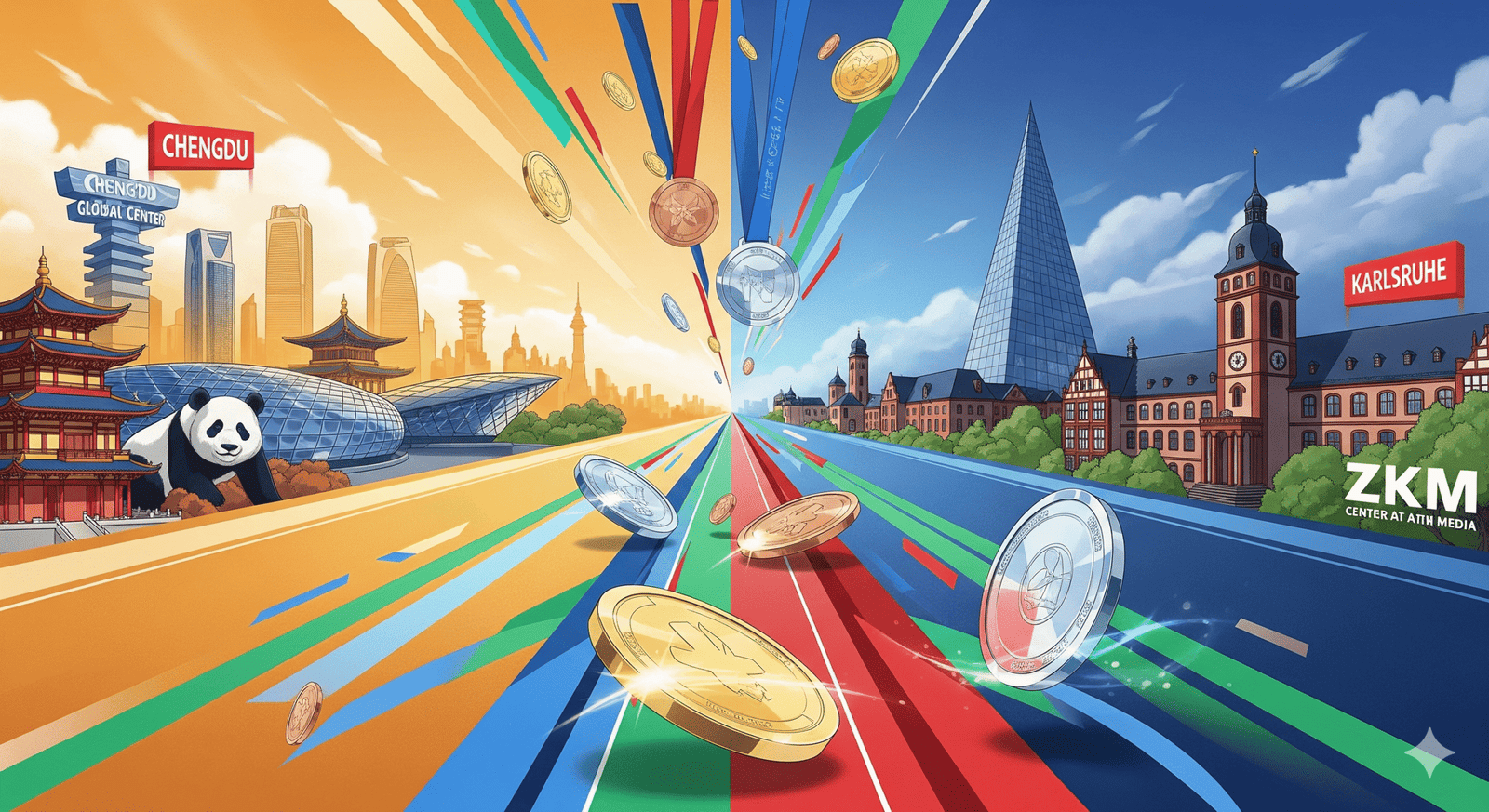
As the last medals were awarded and the closing ceremony lit up the skies over Chengdu, China, a chapter of international sport came to a triumphant close. The World Games 2025, a premier showcase for sports and disciplines not featured in the Olympic Games, recently concluded, leaving a legacy of athletic excellence, national pride, and a clear look into the future of global competition. With the final medal tally confirming China’s dominance at the top of the table, the focus now shifts to the next host city: Karlsruhe, Germany, which will welcome the World Games in 2029. The contrast between these two host cities—a sprawling, dynamic Chinese metropolis and a historic German hub—promises to usher in a new and distinct era for the games.
The World Games 2025 in Chengdu was a spectacle of power, precision, and passion. Athletes from over 100 nations gathered to compete in a diverse range of sports, from the martial arts of wushu and karate to the acrobatic grace of dancesport and the raw strength of powerlifting. The host nation, China, delivered a stunning performance, topping the medal table with a commanding lead. This victory was not just a testament to China’s athletic prowess but also to its strategic investment in sports development, reinforcing its status as a sporting powerhouse. The home crowd’s cheers fueled incredible performances, with Chinese athletes dominating events like wushu and finswimming. Their success was a powerful message to the world about the depth and breadth of their athletic talent, extending far beyond the traditional Olympic disciplines.
The games were a vibrant cultural exchange, with Chengdu’s rich history and modern infrastructure providing a perfect backdrop. The use of existing venues and a focus on sustainability aligned with the World Games’ mission. Standout moments included the thrilling finals in Ultimate Frisbee, where Team USA edged out Canada in a memorable gold-medal match, and a record haul for countries like India, which celebrated its best-ever performance with medals in wushu, archery, and speed skating. These stories of triumph from around the globe highlight the World Games’ unique ability to provide a global stage for sports that are often overshadowed.
With the flag passed to Germany at the closing ceremony, anticipation is already building for The World Games 2029 in Karlsruhe. This will be a homecoming of sorts, as Karlsruhe hosted the third edition of the games in 1989. The return to a city that has a deep history with the event promises a different feel from the grand scale of Chengdu. Karlsruhe is known for its strong community sports culture and is a city built for accessibility and sustainability. The 2029 games are expected to focus on integrating the events within the city’s existing urban landscape, offering a more intimate and community-centric experience for athletes and fans alike.
The journey from Chengdu to Karlsruhe symbolizes the evolution of The World Games itself. While Chengdu’s event was a demonstration of a nation’s sporting ambition on a global scale, Karlsruhe’s will likely be a celebration of the community, tradition, and the enduring spirit of non-Olympic sports. It provides a fascinating opportunity to see how different cultures and approaches to hosting can shape a single event. The World Games 2025 will be remembered for its incredible athletic performances and a host nation that rose to the occasion, while Karlsruhe 2029 beckons as a chance to celebrate the games in a more familiar, and perhaps more personal, setting.
21 Key Updates on The World Games (September 1, 2025)
- September 1, 2025: The World Games 2025 in Chengdu, China, have recently concluded.
- September 1, 2025: The host nation, China, topped the final medal tally with a strong performance.
- September 1, 2025: China secured 64 total medals, including 36 gold, to lead the table.
- September 1, 2025: Germany finished second with 45 medals, and Ukraine was third with 44.
- September 1, 2025: The games showcased sports not featured in the Olympic Games.
- September 1, 2025: The event was held from August 7-17, 2025.
- September 1, 2025: China’s dominance was particularly notable in wushu and finswimming.
- September 1, 2025: The games featured over 4,000 athletes from more than 100 nations.
- September 1, 2025: Team USA won the gold medal in Ultimate Frisbee, defeating Canada.
- September 1, 2025: India recorded its best-ever performance with a total of three medals.
- September 1, 2025: India’s medal haul included a silver in wushu and bronzes in archery and speed skating.
- September 1, 2025: The next World Games will be in Karlsruhe, Germany.
- September 1, 2025: The Karlsruhe games are scheduled for 2029.
- September 1, 2025: Karlsruhe previously hosted the event in 1989, making it the first city to host twice.
- September 1, 2025: The upcoming games will mark the 13th edition of The World Games.
- September 1, 2025: The 2029 event is expected to host around 3,000 athletes from over 100 countries.
- September 1, 2025: The German Olympic Sports Confederation (DOSB) nominated Karlsruhe as the host.
- September 1, 2025: The closing ceremony included the ceremonial passing of the World Games flag to Karlsruhe representatives.
- September 1, 2025: The Karlsruhe games will likely focus on a more intimate, community-centric approach.
- September 1, 2025: The event’s model relies on using existing venues to promote sustainability.
- September 1, 2025: The World Games continue to serve as a pathway to the Olympics for some sports.
When, Where, Why, and Who
- When: The World Games in Chengdu recently concluded in late August 2025. The next event will be held in 2029.
- Where: The concluded games were held in Chengdu, China. The next games will take place in Karlsruhe, Germany.
- Why: The games were held why to provide a global stage for sports and athletic disciplines that are not part of the Olympic program. The news is relevant because it marks the conclusion of a major international sporting event and looks ahead to the future.
- Who: The primary participants were athletes from over 100 nations, particularly those from the host nation, China. Other key groups include the International World Games Association (IWGA), the host cities of Chengdu and Karlsruhe, and the International Olympic Committee (IOC), which recognizes the event.