





A Deepening Crisis: The Abduction of Indian Nationals in Mali and the Unfolding Sahelian Saga
In a distressing development that underscores the persistent and escalating security challenges across Africa’s Sahel region, the nation of Mali has recently become the focal point of an alarming incident: the abduction of three Indian nationals. Confirmed by official sources, this grave occurrence, attributed to an extremist group with documented links to Al-Qaeda, has triggered an immediate and urgent diplomatic response from New Delhi. The incident casts a stark light on the perilous environment faced by foreign citizens operating in volatile zones and highlights the complex web of insurgency, political fragility, and humanitarian distress that continues to grip this vast and strategically important expanse of the continent.
The very act of abduction, particularly when carried out by sophisticated militant organizations, serves as a chilling testament to the pervasive insecurity that has taken root in Mali. For India, a nation with burgeoning economic and strategic interests across Africa, the safety and security of its citizens abroad remain paramount. The swift request to the Malian authorities to secure the release of the abducted individuals underscores the gravity with which New Delhi views such threats and its unwavering commitment to protecting its diaspora. This incident is not merely an isolated crime; it is a poignant symptom of a much larger, deeply entrenched crisis that demands sustained international attention and concerted action.
The Incident Unveiled: A Glimpse into the Abduction
While specific details surrounding the abduction remain deliberately sparse due to the sensitive nature of ongoing efforts to secure their release, initial reports confirm that three Indian nationals were seized in Mali. The circumstances, though not fully disclosed, point towards a meticulously planned operation by the perpetrators, rather than a random act of criminality. Such abductions are rarely impulsive; they are typically executed by organized groups with clear objectives, whether financial gain through ransom, political leverage to pressure governments, or propaganda value to demonstrate their reach and defiance.
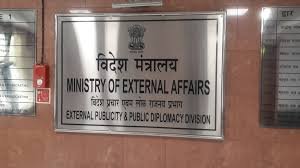
The immediate aftermath saw India’s diplomatic machinery spring into action. The Ministry of External Affairs, in close coordination with its mission in Mali and other relevant agencies, promptly engaged with Malian authorities. This engagement involves not only formal requests for assistance but also likely includes intelligence sharing, coordination on potential rescue efforts, and continuous monitoring of the situation. The priority in such delicate situations is always the safe and swift return of the abducted individuals, necessitating a cautious yet firm approach that balances diplomatic pressure with operational realities. The families of the abducted individuals, undoubtedly enduring immense anguish and uncertainty, would be at the forefront of these diplomatic efforts, receiving regular updates and support.
Mali’s Precarious Landscape: A Nexus of Instability
To fully appreciate the context of this abduction, one must understand the deeply volatile and complex security landscape of Mali. Once hailed as a beacon of democracy in the Sahel, Mali has, over the past decade, descended into a multifaceted crisis characterized by political instability, a resurgent jihadist insurgency, and widespread inter-communal violence.
The roots of this instability are manifold:
- Insurgency’s Genesis: The crisis largely began in 2012 with a Tuareg rebellion in the north, which was swiftly co-opted by Islamist extremist groups, including those aligned with Al-Qaeda and later, ISIS. These groups exploited long-standing grievances, weak state presence, and porous borders to establish strongholds.
- Weak Governance: Successive Malian governments have struggled with corruption, limited institutional capacity, and an inability to extend state authority and provide basic services across vast swathes of the country, particularly in rural and northern areas. This vacuum has been readily filled by non-state armed actors.
- Socio-Economic Grievances: Poverty, lack of economic opportunities, climate change-induced resource scarcity, and historical marginalization have fueled discontent, making local populations susceptible to recruitment by extremist groups who often offer a semblance of order or economic alternatives.
- Inter-Communal Violence: The presence of armed groups has exacerbated pre-existing ethnic tensions, leading to cycles of retaliatory violence between communities, further fragmenting society and complicating peace efforts.
The situation has been further compounded by a series of military coups, the most recent occurring in 2020 and 2021, which have strained Mali’s relations with Western partners and regional bodies. These political upheavals have often diverted attention and resources away from the pressing security challenges, inadvertently creating more fertile ground for extremist groups to expand their influence and operations.
The Retreat of International Forces and the Rise of New Actors
A significant factor contributing to the current security vacuum in Mali has been the withdrawal of key international military presences. France, which had led counter-terrorism operations in the Sahel for years (Operation Barkhane), significantly scaled back its forces and ultimately withdrew them from Mali following deteriorating relations with the ruling junta. Similarly, the United Nations Multidimensional Integrated Stabilization Mission in Mali (MINUSMA), a peacekeeping force, has also been in the process of withdrawing, leaving a substantial gap in security provision.
Into this void, new actors have emerged. Most notably, the Russian-backed Wagner Group, a private military company, has reportedly increased its presence in Mali. While the Malian junta views Wagner as a vital partner in its fight against terrorism, many international observers and news outlets express deep concerns about their human rights record, their opaque operations, and their potential to further destabilize the region while pursuing Russia’s strategic interests. The presence of such groups adds another layer of complexity to the security environment, making it even more challenging for foreign governments to navigate.
The Perilous Landscape for Foreign Nationals
In such a volatile environment, foreign nationals become particularly vulnerable targets. Individuals involved in various sectors – from infrastructure development and mining to humanitarian aid and diplomatic missions – often operate in remote or high-risk areas where state protection is minimal. The motivations behind targeting foreign nationals are varied:
- Ransom: For many extremist groups, the abduction of foreigners is a lucrative source of funding, with ransoms paid by governments or private entities providing vital resources for their operations.
- Political Leverage: Hostage-taking can be used as a tool to extract political concessions, such as the release of imprisoned militants, a halt to military operations, or recognition of their demands.
- Propaganda: High-profile abductions generate international headlines, serving as powerful propaganda for terror groups to demonstrate their reach, defy state authority, and instill fear.
- Disruption of Development: By targeting foreign workers, extremist groups can deter international investment and development aid, further weakening the state and exacerbating the very conditions that fuel their insurgency.
The presence of foreign workers is essential for Mali’s development and humanitarian relief efforts. However, the escalating risk forces difficult decisions for companies and organizations about the safety of their personnel, often leading to reduced operations or increased security costs, which ultimately impact the local population.
India’s Diplomatic and Strategic Calculus
India’s response to the abduction of its citizens in Mali is rooted in its broader foreign policy objectives and its commitment to its diaspora. India has a significant and growing presence in Africa, driven by economic partnerships, development cooperation, and historical ties. The safety of Indian nationals working or residing abroad is a non-negotiable priority for New Delhi.
India’s request to Mali to “secure the release” of its nationals implies a multi-pronged approach:
- Direct Diplomatic Pressure: Engaging at the highest levels with the Malian government to ensure their full cooperation and commitment to the rescue efforts.
- Intelligence Sharing: Offering and seeking intelligence that could aid in locating and safely recovering the hostages.
- Coordination with International Partners: Liaising with other nations that have interests in the Sahel or experience in hostage situations, to leverage collective expertise and resources.
- Crisis Management: Establishing dedicated teams to manage the crisis, provide support to the families, and coordinate all aspects of the response.
India’s stance on terrorism is unequivocal: it condemns all forms of terrorism and does not engage in negotiations that would legitimize terror groups or pay ransoms that could fund further attacks. This principle guides its approach to hostage situations, focusing on intelligence-led rescue operations or diplomatic channels that do not compromise its broader counter-terrorism policies. The incident in Mali will undoubtedly prompt a review of security protocols for Indian nationals in high-risk zones across Africa, ensuring that adequate preventative measures are in place.
Broader Regional and Global Implications
The abduction in Mali is not an isolated incident but a grim reflection of the deepening crisis across the entire Sahel region. This vast, semi-arid belt stretching across Africa is increasingly becoming a hotbed of extremist activity, with groups like Al-Qaeda in the Islamic Maghreb (AQIM), Jama’at Nusrat al-Islam wal-Muslimin (JNIM), and various ISIS affiliates exploiting weak governance, poverty, and inter-communal strife to expand their influence.
- Regional Destabilization: The instability in Mali has a ripple effect on neighboring countries like Burkina Faso, Niger, and beyond, leading to cross-border attacks, refugee flows, and increased regional insecurity.
- International Counter-Terrorism Efforts: The resurgence and adaptability of these terror groups pose a significant challenge to international counter-terrorism efforts. The withdrawal of Western forces from Mali has left a void that extremist groups are eager to exploit, potentially creating new safe havens for global jihadist networks.
- Impact on Development: The pervasive insecurity severely hampers development initiatives, discourages foreign investment, and exacerbates humanitarian crises, trapping millions in a cycle of poverty and violence.
- Humanitarian Crisis: Millions across the Sahel are facing food insecurity, displacement, and lack of access to basic services due to the conflict. Abductions add another layer of fear and uncertainty for already vulnerable populations.
The incident in Mali serves as a stark reminder that the fight against terrorism and instability in the Sahel is a global responsibility. It requires a comprehensive approach that goes beyond military solutions, addressing the root causes of extremism, strengthening governance, fostering economic development, and promoting social cohesion.
Challenges in Securing Release and the Path Forward
Securing the release of hostages from terror groups is an inherently complex and perilous undertaking. It often involves:
- Delicate Negotiations: A fine balance between maintaining a firm stance against terrorism and ensuring the safety of the hostages. This often involves indirect channels and trusted intermediaries.
- Intelligence Gathering: Precise and timely intelligence is crucial for locating the hostages, understanding the captors’ demands, and planning any potential rescue operations.
- Operational Risks: Any direct intervention carries immense risks for the hostages and the rescue teams.
The psychological toll on the hostages and their families is immeasurable. Prolonged captivity can lead to severe trauma, and the families endure agonizing uncertainty, often relying on diplomatic channels and limited information.
In conclusion, the abduction of Indian nationals in Mali is a deeply concerning development that underscores the persistent and evolving threat of terrorism in the Sahel. While India’s immediate priority is the safe return of its citizens, the incident also serves as a critical reminder of the broader challenges facing Mali and the wider region. Addressing this crisis requires sustained international cooperation, a holistic approach that combines security measures with development initiatives, and an unwavering commitment to upholding the principles of human dignity and safety in the face of relentless aggression. The international community must remain vigilant and united in its efforts to counter the destabilizing forces that threaten peace and prosperity in this vital part of the world.
Here are the most important bullet points summarizing the situation regarding the abduction of Indian nationals in Mali:
- Alarming Abduction: Three Indian nationals were recently abducted in Mali by an extremist group with alleged links to Al-Qaeda, highlighting escalating security challenges in the Sahel.
- India’s Urgent Response: New Delhi promptly engaged Malian authorities, requesting their swift intervention to secure the release of its citizens, underscoring the gravity of the incident.
- Mali’s Deep Instability: The abduction is set against a backdrop of Mali’s severe crisis, marked by political fragility, a resurgent jihadist insurgency, widespread violence, and weak governance.
- Shifting Security Landscape: The withdrawal of French and UN forces (MINUSMA) has created a security vacuum, partially filled by new actors like the Russian-backed Wagner Group, further complicating the environment.
- Foreign Nationals as Targets: Individuals working in volatile regions are vulnerable to abduction for ransom, political leverage, or propaganda, disrupting development and humanitarian efforts.
- India’s Diplomatic Stance: India’s response aligns with its policy of protecting its diaspora, involving high-level diplomatic pressure, intelligence coordination, and a firm stance against legitimizing terror groups.
- Regional Destabilization: Mali’s instability contributes to cross-border attacks and refugee flows, impacting neighboring nations and international counter-terrorism efforts.
- Challenges in Hostage Release: Securing the safe return of hostages is complex, requiring delicate negotiations, precise intelligence, and carrying inherent operational risks.
- Global Responsibility: The crisis in the Sahel demands sustained international attention and a comprehensive approach beyond military solutions, addressing root causes of extremism.
- Call for Unified Resolve: The incident underscores the need for continued vigilance and collective action to counter destabilizing forces and ensure safety in high-risk zones.