





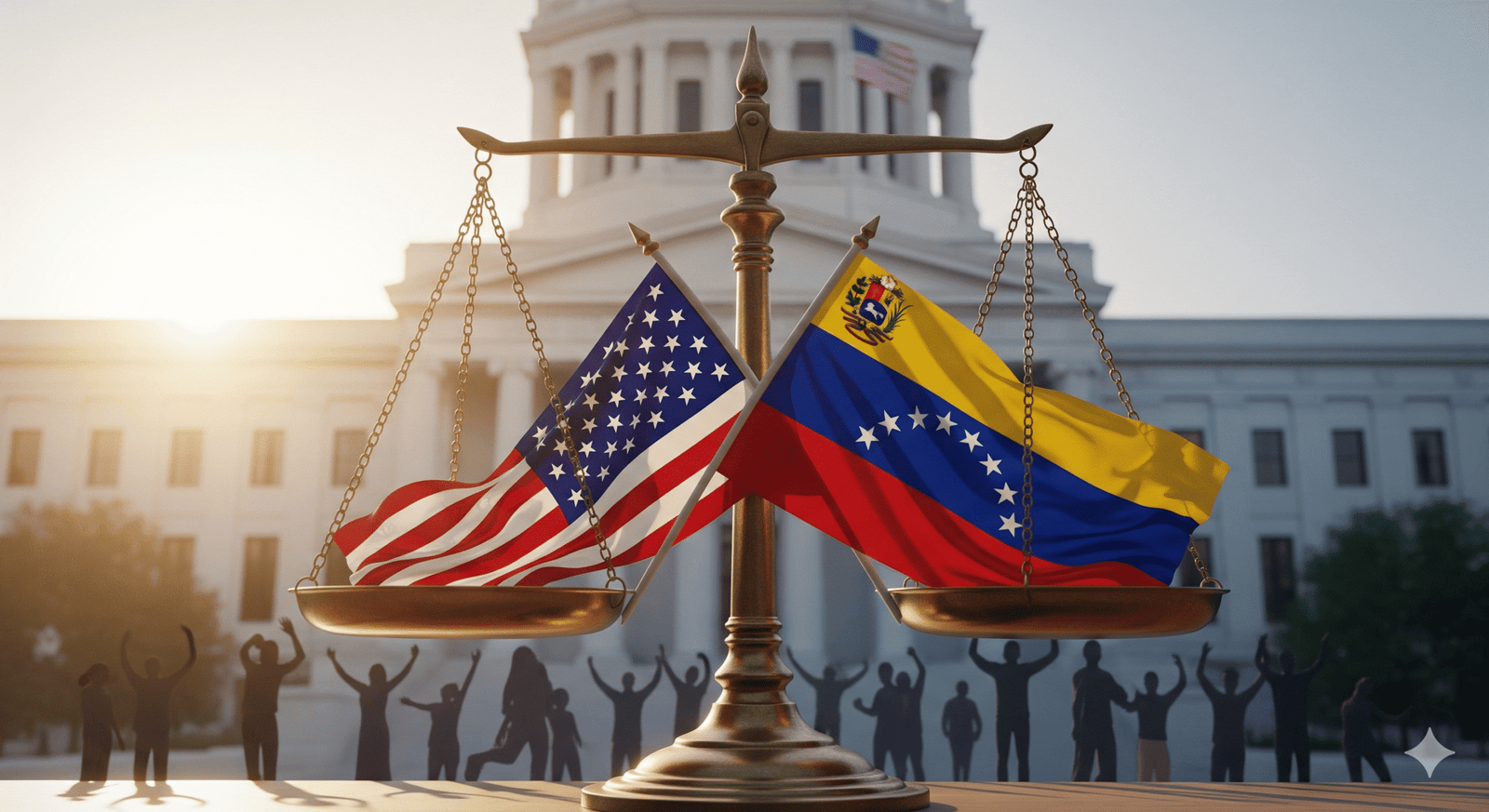
In a significant legal victory for humanitarian advocates and a moment of profound relief for hundreds of thousands, a U.S. federal court has blocked a Trump administration attempt to terminate Temporary Protected Status (TPS) for approximately 600,000 Venezuelans.1 This ruling, issued on September 1, 2025, effectively safeguards the right of these individuals to live and work legally in the United States, at least for now, preventing their deportation back to a country still mired in political, economic, and humanitarian turmoil. The decision underscores the enduring power of the judiciary to act as a check on executive power, particularly when the lives and well-being of vulnerable populations hang in the balance.
The attempt to end TPS for Venezuelans was a carryover from the previous administration’s broader policy of restricting immigration and ending various humanitarian protections.2 In its final months, the Trump administration had moved to revoke TPS for several nationalities, arguing that the conditions in their home countries had improved sufficiently to allow for safe return.3 However, critics, including human rights organizations and legal experts, vehemently argued that conditions in Venezuela remain far from safe. The country continues to grapple with hyperinflation, severe food and medicine shortages, widespread political repression, and a collapsing infrastructure, making a safe and dignified return for its citizens virtually impossible.4
The federal court’s decision hinged on arguments that the Trump administration had failed to adequately assess the current conditions in Venezuela when making its determination. Legal challenges highlighted the arbitrary and politically motivated nature of the termination, emphasizing that the Department of Homeland Security (DHS) had disregarded overwhelming evidence of the ongoing crisis. Lawyers representing the Venezuelan beneficiaries successfully argued that sending these individuals back would expose them to grave danger, violating humanitarian principles and potentially international law. This ruling is particularly poignant given the ongoing exodus of Venezuelans from their homeland, representing one of the largest displacement crises in the world.
For the 600,000 Venezuelans currently holding TPS, this ruling means a temporary reprieve from the constant fear of deportation. It allows them to maintain their jobs, continue to contribute to the U.S. economy, and remain with their families. Many have established deep roots in American communities, with children attending schools and adults working in various sectors. The uncertainty surrounding their status has been a source of immense stress, impacting their mental health and financial stability. While this decision provides a crucial breathing room, the long-term future of TPS remains subject to political shifts and further legal battles.
This judicial intervention serves as a powerful reminder that immigration policy is not solely an executive prerogative but is subject to legal scrutiny and the principles of due process. It also highlights the critical role that advocacy groups and legal aid organizations play in defending the rights of vulnerable immigrants. As the political landscape in the U.S. continues to evolve, the fight for comprehensive immigration reform and stable protections for those fleeing persecution and instability remains a paramount challenge. For now, however, 600,000 Venezuelan families can breathe a collective sigh of relief, knowing that for a little while longer, they are safe.
21 Bullet Points on the Blocking of TPS for Venezuelans (September 2, 2025)
- A U.S. federal court has blocked a Trump administration attempt to end Temporary Protected Status (TPS) for Venezuelans.5
- The ruling was issued on Sunday, September 1, 2025.
- Approximately 600,000 Venezuelans were at risk of losing their protections.6
- The Trump administration had sought to terminate TPS for several nationalities in its final months.7
- The court’s decision prevents the deportation of these Venezuelans back to their home country.8
- The ruling is a significant victory for humanitarian advocates and immigrant rights groups.
- Legal challenges argued that conditions in Venezuela remain unsafe for return.
- Venezuela is currently facing severe economic collapse, hyperinflation, and humanitarian crisis.9
- Widespread political repression and shortages of food and medicine persist in Venezuela.
- The court found that the Trump administration failed to adequately assess current conditions in Venezuela.
- The attempt to terminate TPS was deemed arbitrary and potentially politically motivated.
- Lawyers argued that ending TPS would expose beneficiaries to grave danger.10
- The decision provides a temporary reprieve from deportation fears for 600,000 individuals.11
- TPS allows beneficiaries to live and work legally in the United States.12
- Many Venezuelans with TPS have established roots and contribute to U.S. communities.
- The ruling highlights the judiciary’s role in checking executive power on immigration matters.13
- Advocacy groups played a critical role in bringing the legal challenge.
- The long-term future of TPS for Venezuelans remains subject to ongoing legal and political processes.
- The case is part of a broader legal battle over the termination of TPS for various nationalities.
- This ruling impacts one of the largest displacement crises globally, stemming from Venezuela.
- The decision emphasizes the humanitarian principle of protecting those fleeing unsafe conditions.14
Separate Answer: When, Where, Why, and Who
When
The federal court issued its ruling on Sunday, September 1, 2025.
Where
The ruling was made by a U.S. federal court, which has nationwide implications for Venezuelans currently holding TPS in the United States.
Why
The court blocked the Trump administration’s attempt to end TPS for Venezuelans because it found that the administration had failed to adequately assess the current, unsafe conditions in Venezuela. Legal arguments successfully highlighted that returning these individuals would expose them to significant danger, given the ongoing political instability, economic crisis, and humanitarian emergency in their home country. The court essentially ruled that the decision to terminate TPS was arbitrary and did not properly consider the evidence of continuing hardship in Venezuela.
Who
- The Actor (Blocking the Termination): A U.S. federal court.
- The Actor (Attempting to Terminate): The Trump administration (specifically, the Department of Homeland Security under that administration).
- The Beneficiaries: Approximately 600,000 Venezuelans who currently hold or are eligible for Temporary Protected Status (TPS) in the United States.15
- Advocates: Humanitarian organizations, immigrant rights groups, and legal teams who brought the challenge against the termination.16
- The Country of Origin: Venezuela, which is facing a severe political, economic, and humanitarian crisis.17