
Pune, Maharashtra, India – September 1, 2025
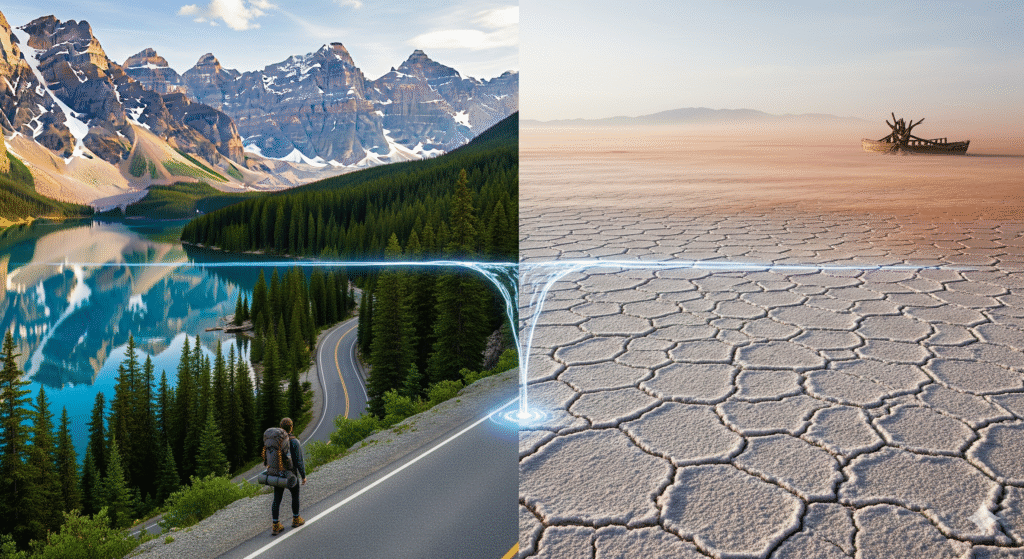
The global news cycle often presents a blend of the uplifting and the alarming, and this week is no exception. While some stories highlight the vibrant spirit of human exploration and leisure, others cast a stark light on pressing environmental challenges. Trending are narratives around evolving travel trends within Canada, showcasing a nation embracing both its vast wilderness and cultural richness, alongside the increasingly urgent story of the shrinking Great Salt Lake in the US, a stark reminder of the delicate balance of our planet’s ecosystems and the long-term consequences of human activity and climate change.
Canada, with its breathtaking landscapes and diverse cultural tapestry, continues to be a magnet for travelers, both domestic and international. Recent data from Statistics Canada indicates a robust recovery and evolution in post-pandemic travel, with a noticeable shift in preferences. There’s a growing emphasis on sustainable and experiential travel, moving away from crowded tourist hotspots towards more intimate encounters with nature and local communities. Indigenous tourism, in particular, is experiencing a boom, offering visitors authentic cultural experiences that also support First Nations economies and traditions. Furthermore, “workation” trends are on the rise, with remote workers leveraging Canada’s reliable infrastructure and stunning scenery for extended stays that blend work and leisure. The government’s recent initiatives to expand high-speed internet access to rural areas have further facilitated this trend. This isn’t just about sightseeing; it’s about deeper immersion, environmental consciousness, and leveraging the flexibility of modern work. Cities like Vancouver and Montreal are also seeing a resurgence in urban exploration, with a focus on culinary experiences, arts, and vibrant nightlife, appealing to those seeking a balance of adventure and urban sophistication. This dynamic demonstrates Canada’s successful positioning as a multifaceted destination, catering to a wide array of travel desires while subtly promoting more responsible tourism practices.
Meanwhile, in the United States, an environmental crisis of monumental proportions continues to unfold with the shrinking of the Great Salt Lake in Utah. This is not merely a regional concern; it is a profound ecological and economic disaster with far-reaching implications. Years of drought, exacerbated by climate change, coupled with excessive water diversion for agriculture and urban development, have pushed the lake to historic lows. The consequences are dire:
- Ecological Collapse: The shrinking lake exposes vast tracts of lakebed, leading to increased dust storms laden with toxic heavy metals (arsenic, lead, copper) that were naturally sequestered in the lakebed. These dust storms pose severe health risks to millions of residents in the Salt Lake Valley.
- Wildlife Impact: The lake is a critical stopover for millions of migratory birds, and its ecosystem supports unique brine shrimp and brine flies. The decreasing water levels and increasing salinity threaten these crucial food sources, endangering entire species.
- Economic Threat: The lake’s recession jeopardizes Utah’s lucrative brine shrimp harvesting industry, which supplies feed for aquaculture globally, and negatively impacts the local tourism economy. Furthermore, the loss of the lake’s briny air affects the region’s famed “Greatest Snow on Earth” by reducing local lake-effect snowfall, which is vital for the ski industry.
The situation has sparked urgent calls for action, leading to legislative efforts and public awareness campaigns. Scientists are warning that without significant policy changes and dramatic reductions in water usage, the lake could completely dry up within years, transforming the region into a toxic dust bowl. This story is trending not just as a local environmental crisis, but as a stark warning about the global consequences of water mismanagement and climate inaction, serving as a powerful lesson in environmental stewardship for the entire world.
These two trending stories offer a compelling contrast: one celebrating humanity’s pursuit of experience and connection, the other highlighting our collective responsibility to protect the planet that sustains us. Both, however, underscore the intricate ways our choices, both individual and collective, shape the world around us.
21 Key Updates on Travel Trends and Environmental Crisis (September 1, 2025)
- September 1, 2025: Travel trends within Canada are showing significant evolution.
- September 1, 2025: There is a noticeable shift towards sustainable and experiential travel.
- September 1, 2025: Indigenous tourism is experiencing a significant boom across Canada.
- September 1, 2025: The rise of “workation” trends is encouraging extended stays blending work and leisure.
- September 1, 2025: Government initiatives for high-speed internet in rural areas support remote work travel.
- September 1, 2025: Cities like Vancouver and Montreal are seeing a resurgence in urban exploration.
- September 1, 2025: Travel preferences emphasize culinary experiences, arts, and local culture.
- September 1, 2025: Statistics Canada data confirms a robust recovery in post-pandemic travel.
- September 1, 2025: The focus is on unique experiences rather than crowded tourist hotspots.
- September 1, 2025: The Great Salt Lake in the US is shrinking at an alarming rate.
- September 1, 2025: Years of drought and climate change are major contributing factors.
- September 1, 2025: Excessive water diversion for agriculture and urban use is also severely impacting the lake.
- September 1, 2025: The shrinking lake exposes vast tracts of lakebed containing toxic heavy metals.
- September 1, 2025: These exposed lakebeds lead to dust storms that pose severe public health risks.
- September 1, 2025: The lake is a critical stopover for millions of migratory birds, whose ecosystem is threatened.
- September 1, 2025: The lucrative brine shrimp harvesting industry is jeopardized by increased salinity.
- September 1, 2025: The diminishing lake also affects the region’s lake-effect snowfall, impacting the ski industry.
- September 1, 2025: Scientists warn the lake could dry up completely within years without drastic action.
- September 1, 2025: There are urgent calls for significant policy changes and reduced water usage.
- September 1, 2025: The situation serves as a stark warning about water mismanagement and climate inaction.
- September 1, 2025: Both stories highlight how human activities and global trends impact lifestyle and environment.
When, Where, Why, and Who
Travel Trends in Canada:
- When: These travel trends are current and evolving, with data and observations from late 2024 to mid-2025. The blog post is dated September 1, 2025.
- Where: The trends are observed across Canada, encompassing both urban centers like Vancouver and Montreal, and rural, wilderness areas, especially those offering Indigenous tourism experiences.
- Why: The trends are happening why due to a combination of post-pandemic shifts in consumer behavior (desire for more meaningful experiences, flexibility of remote work), government initiatives to improve infrastructure (high-speed internet), and Canada’s natural appeal as a destination for outdoor and cultural tourism.
- Who: The trends involve travelers (both domestic and international), Indigenous communities offering tourism, the Canadian tourism industry, and the Canadian government through its policies.
Shrinking Great Salt Lake in the US:
- When: The shrinking of the Great Salt Lake has been an ongoing crisis for years, but it is trending currently due to its accelerating rate and urgent calls for intervention in mid to late 2025.
- Where: The Great Salt Lake is located in Utah, United States, specifically affecting the Salt Lake Valley region.
- Why: The lake is shrinking why due to prolonged drought conditions (exacerbated by climate change) and, critically, excessive water diversion from its tributaries for agricultural irrigation and urban consumption. This has led to environmental and health crises, including toxic dust storms and threats to unique ecosystems.
- Who: The crisis directly affects the residents of Utah, particularly those in the Salt Lake Valley, as well as migratory bird populations, the brine shrimp industry, and the ski tourism sector. Environmental scientists, policymakers, and local communities are actively involved in efforts to address the issue.