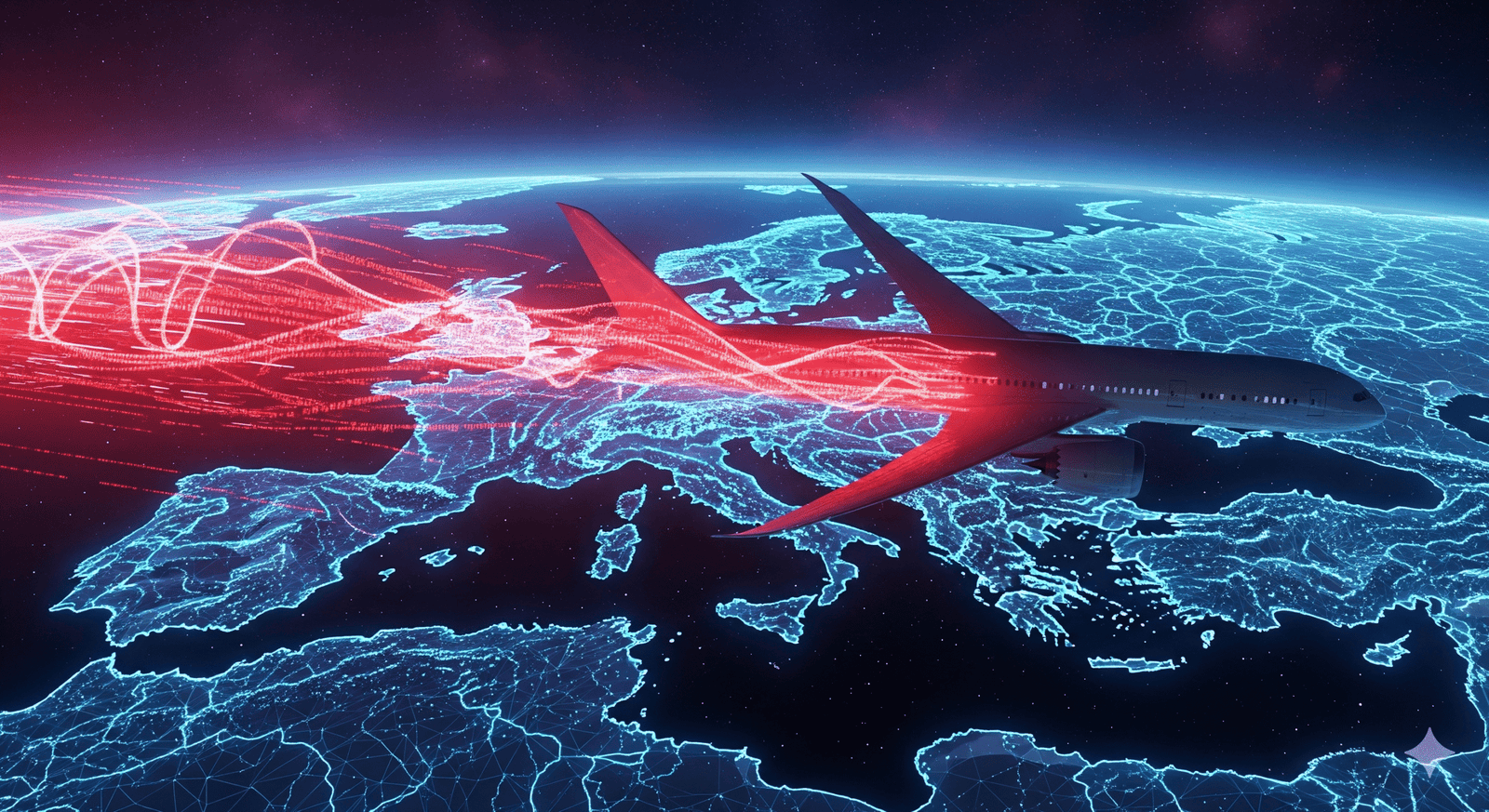




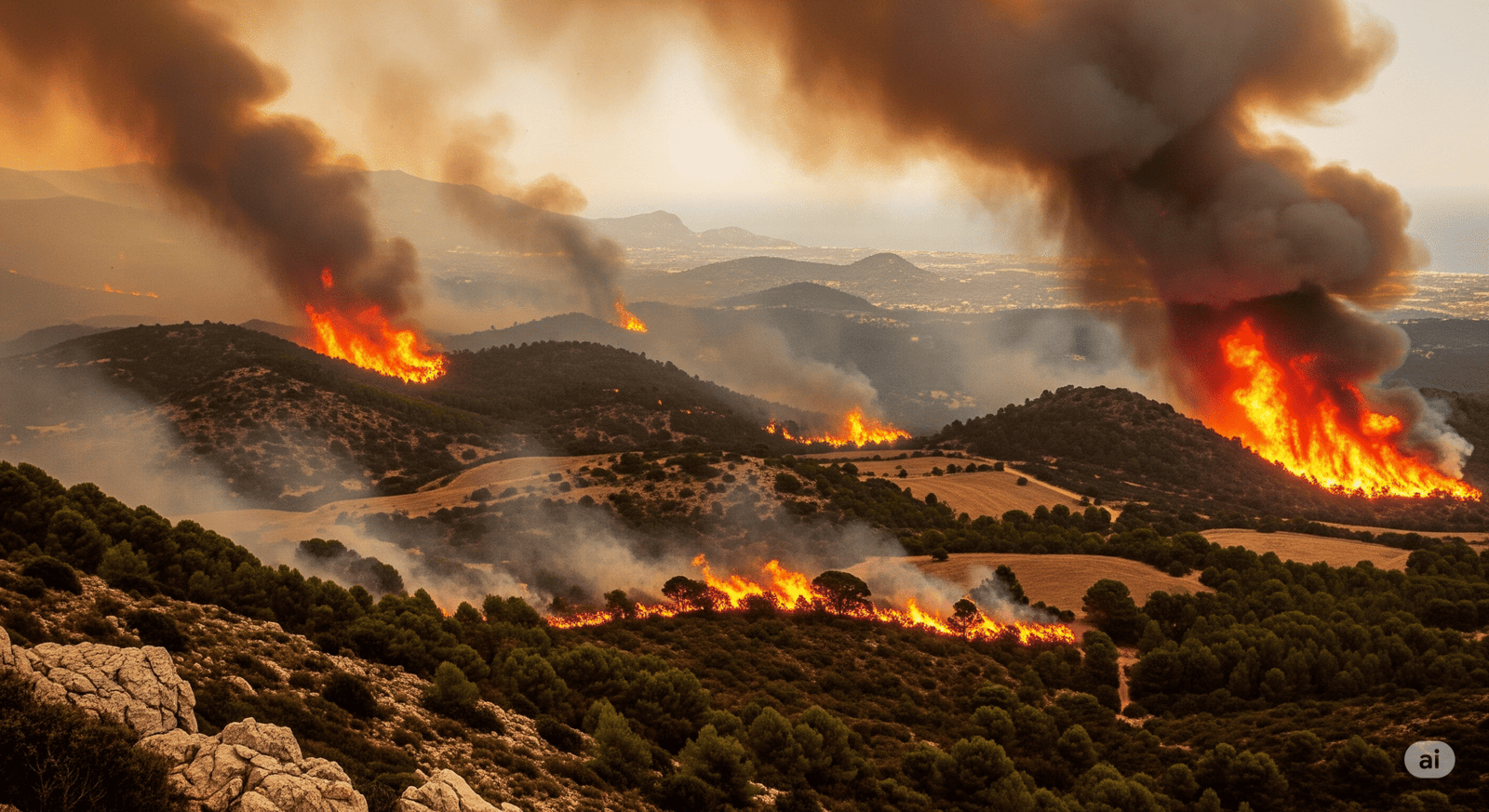
The summer of 2025 has cast a long, smoky shadow over Europe, with a wave of devastating wildfires consuming vast swathes of land and forcing a continent-wide reckoning with the impacts of climate change. From the sun-drenched vineyards of southern France to the rugged landscapes of Greece and Spain, a new and terrifying normal is emerging. The scale of the blazes is unprecedented, driven by a perfect storm of record-breaking heatwaves, prolonged drought, and strong winds. These aren’t just isolated incidents; they are a clear and present danger, a stark reminder of the fragile balance between human activity and a warming planet.
In France, the narrative of this summer’s crisis has been particularly acute. A fire in the Aude region, which erupted on August 5th, has been declared the country’s largest wildfire in decades. The blaze, which has now been contained but not fully extinguished, tore through over 16,000 hectares (nearly 40,000 acres) of forest and agricultural land, an area larger than the city of Paris. The speed and ferocity of the fire were a testament to the extreme conditions. Dry vegetation, baked by an enduring drought, provided ample fuel, while high winds fanned the flames, pushing the fire front rapidly across the landscape. The economic and human cost has been immense, with one person confirmed dead and over a dozen injured, including firefighters. The heart of the region’s economy, its renowned vineyards, has been particularly hard-hit, with some winemakers reporting up to 80% of their vines either destroyed or damaged. The long-term impact on this vital industry is still being assessed, but the consequences will be felt for years to come.
But the inferno is not confined to France. Across southern Europe, a similar story of fire and destruction is unfolding. Spain, Portugal, and Greece have all battled significant blazes this summer. In Spain, a prolonged heatwave with temperatures soaring to 43°C (109°F) fueled multiple wildfires, leading to mass evacuations in tourist areas and a high alert from the national meteorological agency. Portugal has seen over 42,000 hectares of land burn in 2025 alone, an area eight times larger than this time last year. Greece, too, has been grappling with intense fires that have destroyed agricultural land and forced the evacuation of numerous villages. The sheer volume of burnt land across the European Union this year—over 230,000 hectares by mid-July, more than double the 20-year average—paints a grim picture of a continent under siege.
The scientific community is unanimous in its assessment: these extreme events are a direct consequence of climate change. Europe is warming at twice the global average, and with each passing year, the summers are becoming hotter, drier, and longer, creating ideal conditions for wildfires to ignite and spread with terrifying speed. The fires themselves contribute to this vicious cycle by releasing immense amounts of carbon dioxide into the atmosphere, further accelerating global warming. The European Union has mobilized its Civil Protection Mechanism, deploying firefighting planes, helicopters, and ground teams from across the continent in a display of transnational solidarity. However, these firefighting efforts, while crucial, are reactive. The fires are forcing a deeper conversation about proactive measures, from better land management and controlled burns to the development of fire-resilient infrastructure. As one fire official stated, “This fire is a consequence of climate change and drought in this region.” The battle is no longer just about putting out the flames; it’s about fundamentally rethinking how we live in a world that is getting hotter and drier. The 2025 wildfire season serves as a powerful and urgent wake-up call, demanding a collective and decisive response to a crisis that is no longer a distant threat, but a devastating reality.
21 Bullet Points on the Latest Wildfire News
- August 10, 2025: The largest wildfire in decades in France’s southern Aude region has been contained.
- August 10, 2025: The fire, which started near the village of Ribaute, has burned over 16,000 hectares of land.
- August 10, 2025: An area larger than the city of Paris was scorched by the blaze.
- August 10, 2025: One person has died and at least 13 others were injured, including firefighters.
- August 10, 2025: French officials have linked the fire’s severity to climate change and prolonged drought.
- August 10, 2025: The Aude region has been experiencing a drought, with water use restrictions already in place.
- August 10, 2025: Approximately 1,400 firefighters are still deployed in the area to prevent reignition.
- August 10, 2025: Military reinforcements were called in to support the firefighting efforts.
- August 10, 2025: Residents who were evacuated have been allowed to return to their homes, but with strict warnings.
- August 10, 2025: The fire has severely damaged local agriculture, including vineyards which are vital to the region’s economy.
- August 10, 2025: Southern Europe as a whole is battling a wave of large fires due to a punishing heatwave.
- August 10, 2025: Spain is facing multiple wildfires, fueled by a prolonged heatwave with temperatures reaching up to 43°C.
- August 10, 2025: Evacuations have been ordered in Spain, affecting both residents and tourists.
- August 10, 2025: In Portugal, over 42,000 hectares of land have burned so far in 2025, which is eight times more than last year’s total for the same period.
- August 10, 2025: Greece is also fighting intense blazes, with one fire on Mount Vesuvius near Naples, Italy, requiring multiple ground and aerial teams.
- August 10, 2025: The number of wildfires and the total area burned across the European Union in 2025 are well above the 20-year average.
- August 10, 2025: Scientists warn that climate change is making the Mediterranean region hotter and drier, creating a higher risk for wildfires.
- August 10, 2025: The European Union has mobilized its Civil Protection Mechanism to assist countries with firefighting resources.
- August 10, 2025: Firefighters from other European countries have been strategically pre-positioned in high-risk areas to respond quickly.
- August 10, 2025: The fires are also sparking a discussion about proactive measures like controlled burns and building fire-resilient landscapes.
- August 10, 2025: The overall situation is considered “fragile,” with officials warning the battle is not yet over, despite the containment of some fires.
When, Where, Why, and Who
When:
The most significant wildfire in France began on Tuesday, August 5, 2025. It has since been contained, but firefighters are still on the scene to prevent flare-ups. The wider wave of wildfires and the accompanying heatwave across southern Europe has been ongoing for weeks throughout the summer of 2025.
Where:
The largest French fire is located in the Aude region in the southern part of the country, near the Spanish border. Other significant fires are raging across southern Europe, including in Spain, Portugal, and Greece. The fires are concentrated in the Mediterranean basin, a region particularly vulnerable to the effects of climate change.
Why:
The wildfires are being fueled by a combination of factors. The primary drivers are an intense and prolonged heatwave and severe drought conditions, which have created extremely dry vegetation that acts as tinder. These conditions are exacerbated by strong winds that spread the flames rapidly. Scientists and government officials are directly linking the unprecedented scale of the blazes to human-driven climate change, stating that Europe is warming faster than the global average.
Who:
The fire has directly affected the residents, winemakers, and local communities in the Aude region of France, as well as those in other parts of southern Europe where fires are active. One person has died, and over a dozen people, including firefighters, have been injured. The firefighting efforts are being carried out by thousands of local firefighters, supported by military reinforcements in France and international teams mobilized through the European Union’s Civil Protection Mechanism.