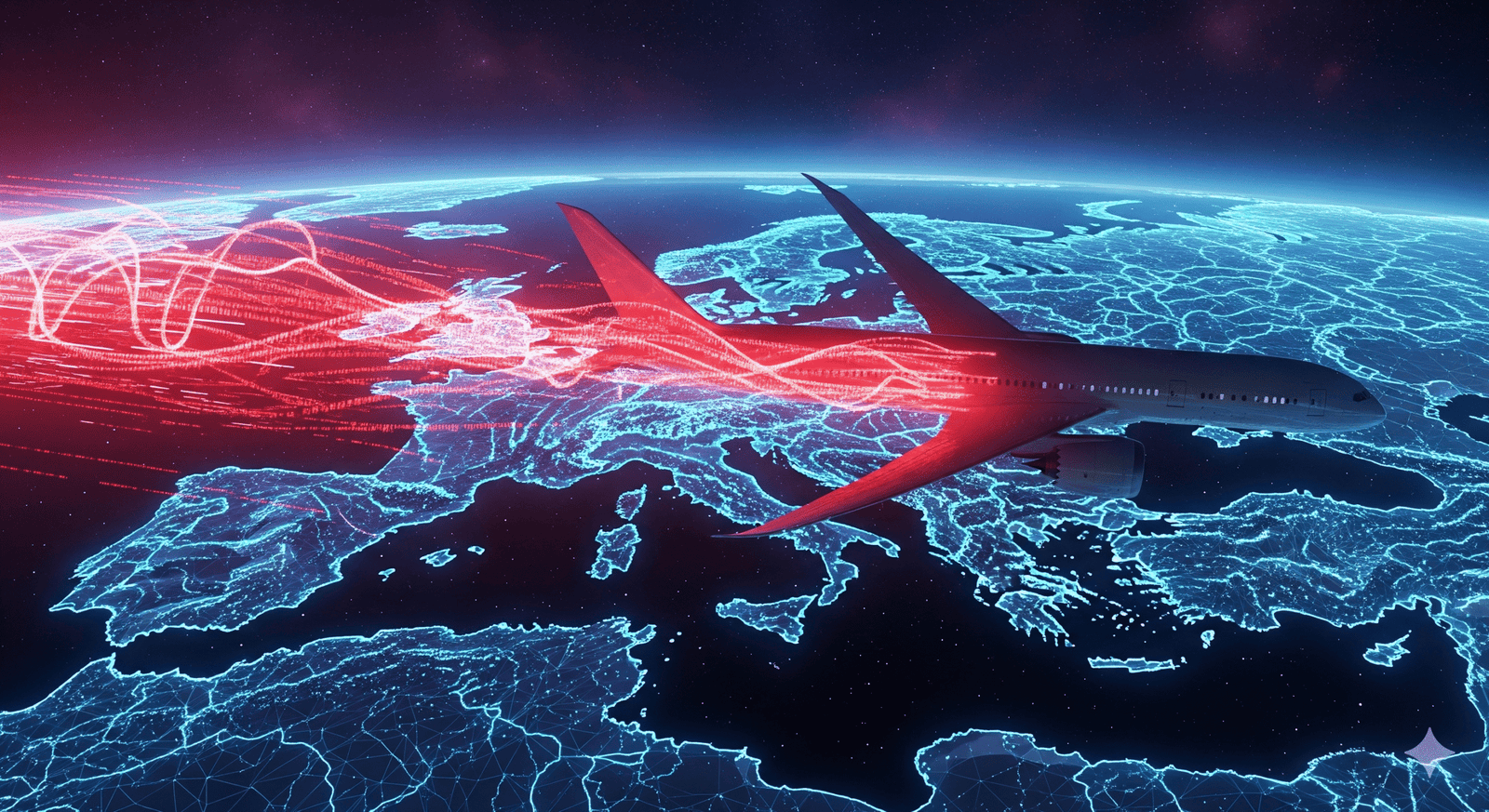




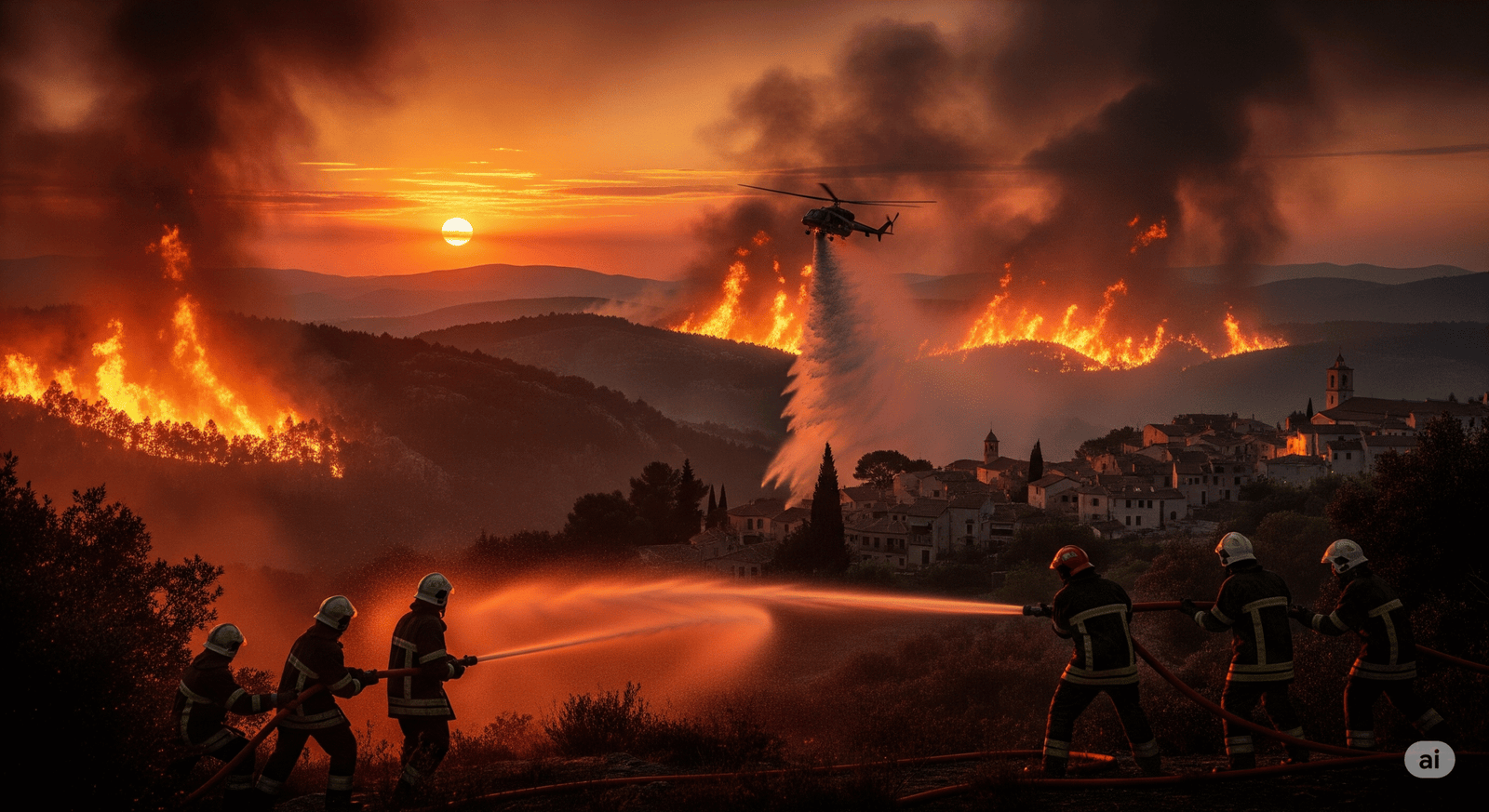
Southern Europe is once again battling ferocious wildfires, with a brutal combination of soaring temperatures, prolonged drought, and strong winds creating a tinderbox across the region. From the sun-drenched coasts of the Mediterranean to inland forests, flames are tearing through vegetation, forcing evacuations, and tragically claiming lives. At least two fatalities have been reported as of today, a grim reminder of the destructive power of these blazes, with one fire in France being described by local authorities as “unprecedented” in its intensity and speed.
The situation is particularly dire in France, where a massive wildfire has erupted in the southeastern region. Fueled by a heatwave that has seen temperatures climb well into the 40s Celsius (over 100 degrees Fahrenheit) and exacerbated by dry conditions that have persisted for months, the blaze has rapidly spread, engulfing vast tracts of forest and scrubland. Local fire departments, bolstered by national resources and support from neighboring countries, are working tirelessly to contain the inferno, but the sheer scale and ferocity of the fire are presenting significant challenges. The “unprecedented” nature of this particular fire lies not only in its size but also in its erratic behavior, shifting winds causing unpredictable flare-ups that have hampered firefighting efforts and necessitated the evacuation of thousands of residents and tourists.
Neighboring countries are also grappling with significant wildfire outbreaks. In Spain, multiple fires are raging across the Iberian Peninsula, stretching resources and threatening both natural parks and populated areas. The familiar summer struggle against wildfires has taken on a more ominous tone this year, with authorities citing the increasing frequency and intensity of extreme weather events, a phenomenon widely attributed to climate change. Portugal, Greece, and Italy are similarly battling blazes, stretching their firefighting capabilities and prompting urgent calls for international assistance.
The human cost of these wildfires extends beyond the tragic loss of life. Thousands have been forced to flee their homes, seeking shelter in temporary accommodations as they watch helplessly as flames approach their properties. The economic impact is also likely to be substantial, with damage to agricultural land, forests vital for timber and biodiversity, and tourism infrastructure. The long-term ecological consequences, including soil erosion, loss of habitat, and the release of significant amounts of carbon dioxide into the atmosphere, will also be felt for years to come.
The current wave of wildfires serves as a stark reminder of the increasing vulnerability of the Mediterranean region to the impacts of climate change. Experts warn that prolonged periods of high temperatures and drought are becoming more frequent and severe, creating ideal conditions for wildfires to ignite and spread rapidly. Addressing this growing threat will require a multifaceted approach, including investing in enhanced firefighting capabilities, implementing stricter fire prevention measures, and, most importantly, taking decisive action to mitigate climate change on a global scale. As the flames continue to rage across Southern Europe, the urgent need for both immediate relief and long-term solutions has never been clearer.
Date: August 10, 2025
Wildfires Sweep Southern Europe: 21 Key Points 🔥
- Multiple Countries Affected: Wildfires are currently raging across Southern Europe.
- Fatalities Reported: At least two people have died as a direct result of the fires.
- France “Unprecedented” Fire: One significant wildfire in France has been described as “unprecedented” by authorities.
- Rapid Spread: The French fire is characterized by its rapid spread and intensity.
- Extreme Heat: Soaring temperatures across the region are exacerbating the fire risk.
- Prolonged Drought: Dry conditions following a period of drought are providing ample fuel for the flames.
- Strong Winds: High winds are contributing to the unpredictable behavior and rapid spread of the fires.
- Evacuations Underway: Thousands of residents and tourists have been forced to evacuate their homes and accommodations.
- International Assistance: Firefighting resources are being stretched, with some countries seeking international aid.
- Spain Also Affected: Multiple wildfires are burning across the Iberian Peninsula in Spain.
- Portugal Battling Blazes: Portugal is also experiencing significant wildfire activity.
- Greece and Italy Affected: Wildfires have also been reported in Greece and Italy.
- Strain on Firefighters: Firefighters are working tirelessly under challenging conditions to contain the blazes.
- Climate Change Link: Experts suggest the increased frequency and intensity of such fires are linked to climate change.
- Damage to Property: Homes, agricultural land, and forests have been damaged or destroyed by the fires.
- Economic Impact: The fires are expected to have a significant economic impact on affected regions, including tourism.
- Ecological Consequences: Long-term ecological damage, including habitat loss and soil erosion, is a concern.
- Carbon Emissions: The wildfires are releasing significant amounts of carbon dioxide into the atmosphere.
- Fire Prevention Measures: Authorities are emphasizing the importance of fire prevention to mitigate future risks.
- Urgent Action Needed: The situation highlights the urgent need for action to address climate change and enhance firefighting capabilities.
- Ongoing Crisis: The wildfires continue to burn, and the situation remains critical in several areas of Southern Europe.
When, Where, Why, and Who
- When: The wildfires are currently active as of August 10, 2025. The fire in France, described as “unprecedented,” is a significant ongoing event.
- Where: The wildfires are sweeping across Southern Europe, with significant incidents reported in France, Spain, Portugal, Greece, and Italy.
- Why: The primary reasons for the outbreak and rapid spread of these wildfires are a combination of factors:
- Extreme Heat: A heatwave has brought record or near-record high temperatures to the region.
- Prolonged Drought: Many parts of Southern Europe have experienced extended periods of dry weather, leaving vegetation parched and highly flammable.
- Strong Winds: High winds are fanning the flames and making firefighting efforts more difficult.
- Climate Change: Experts believe that the increasing frequency and intensity of such extreme weather events are linked to broader climate change patterns.
- Who: The key entities and individuals involved are:
- Residents and tourists in the affected areas, many of whom have been evacuated.
- Firefighters and emergency services personnel working to contain the blazes, often with support from national and international resources.
- Local and national authorities responsible for managing the response and providing aid.
- The governments of France, Spain, Portugal, Greece, and Italy, who are dealing with the crisis.
- Climate scientists and environmental experts who are highlighting the underlying causes and long-term implications of such events.
- The at least two individuals who have tragically died as a result of the wildfires.