





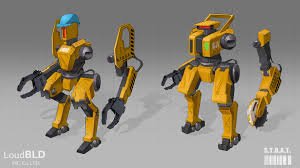
Here are 21 bullet points detailing the latest news on Amazon’s AI-powered robot fleet, as of July 2, 2025:
- Major Milestone Achieved: Amazon has reached a significant benchmark, becoming the world’s largest manufacturer and operator of mobile robotics.
- One Million Robots Deployed: The company now has over one million robots actively deployed across its operations.
- AI-Powered Efficiency Focus: The primary goal of this extensive robot fleet is to boost efficiency within Amazon’s fulfillment centers.
- Introducing DeepFleet AI: A new artificial intelligence model, named DeepFleet AI, is currently under development.
- Optimizing Robot Movement: DeepFleet AI is designed to fundamentally change how robots navigate and move within fulfillment facilities.
- Targeting Travel Time Reduction: The new AI model aims to reduce the overall travel time for the robot fleet by an estimated 10%.
- Faster Package Deliveries: This efficiency gain is expected to translate directly into quicker delivery times for customer packages.
- Cost-Effective Operations: The enhanced efficiency also contributes to more cost-effective logistics and delivery processes.
- Robotics Integration History: Amazon began integrating robots into its operational workflow as early as 2012.
- Evolution of Robot Roles: Initially, robots were primarily used for transporting inventory shelves, but their roles have significantly expanded.
- Advanced Robot Capabilities: Current robots are capable of heavy lifting, with some units able to lift up to 1,250 pounds.
- Fully Autonomous Navigation: Many units are now fully autonomous, capable of navigating facilities independently to fulfill customer orders.
- Contrast with Some Tech Trends: Amazon’s sustained and aggressive investment in robotics and AI stands in contrast to some other trends observed in the broader tech industry.
- Robots “Working Alongside Humans”: Amazon emphasizes that its robots are designed to collaborate with human employees, not replace them entirely.
- Handling Repetitive Tasks: Robots are used to manage heavy lifting and highly repetitive tasks, freeing up human workers.
- Creating New Job Opportunities: The company points to new fulfillment centers requiring more employees in specialized roles like reliability, maintenance, and engineering.
- CEO’s Workforce Outlook: Amazon CEO Andy Jassy has indicated that the company’s overall workforce may “shrink in the coming years” due to technological advancements.
- Continued Investment in Automation: This development underscores Amazon’s ongoing and substantial commitment to automation and AI technologies.
- Strategic Advantage in Logistics: This leadership in robotics provides Amazon with a significant competitive edge in the logistics and e-commerce sectors.
- Data-Driven Optimization: The DeepFleet AI model signifies a move towards even more sophisticated, data-driven optimization of warehouse operations.
- Broader Automation Debate: Amazon’s advancements continue to fuel the wider discussion about the impact of automation on employment and the future of work.