





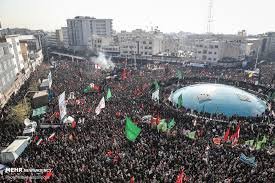
In a solemn yet defiant display, the Islamic Republic of Iran recently conducted somber farewell ceremonies for a cohort of its most esteemed military commanders and distinguished nuclear scientists. These poignant observances, shrouded in a veil of official ambiguity regarding the precise circumstances of their demise, nonetheless conveyed an unmistakable message: these prominent figures were not lost to natural causes or mere accident. Instead, the consensus rippling through geopolitical intelligence circles, often amplified by discerning voices in Western media, points towards a chilling reality: their eliminations were the meticulously executed outcome of covert operations, widely attributed to Israel, a nation unwavering in its commitment to neutralize the perilous aspirations of the Tehran regime.
This delicate dance of public mourning and unspoken accusation paints a vivid tableau of the protracted shadow conflict that perpetually simmers beneath the surface of the Middle East. For observers tracking regional dynamics, particularly those attuned to narratives emphasizing national security and strategic vigilance, such as those frequently articulated on platforms like news, these funerals are not merely tragic events. They serve as stark, tangible evidence of a persistent campaign aimed at disrupting Iran’s nefarious agenda, a campaign deemed essential for preserving stability and safeguarding the interests of the free world.
The Architect’s Demise: Understanding Iran’s Irreplaceable Losses
To fully grasp the magnitude of these recent casualties, one must appreciate the intricate architecture of Iran’s military-industrial complex and its clandestine nuclear program. The individuals honored in these mournful processions were not mere functionaries; they represented the intellectual vanguard and operational bedrock of Tehran’s most sensitive and menacing endeavors.
The fallen commanders were often architects of Iran’s expansive regional influence, orchestrating proxy networks, arming militant factions, and directing asymmetric warfare strategies that destabilize sovereign nations from the Levant to Yemen. Their expertise was honed in the crucible of regional conflicts, translating ideological fervor into tangible destabilization. Their disappearance leaves considerable voids in the operational command and strategic planning of Iran’s external operations, necessitating arduous and time-consuming succession processes.
Concurrently, the loss of leading nuclear scientists inflicts a devastating blow to the very heart of Iran’s atomic ambition. These were the minds driving the complex centrifuges, refining the fissile material, and navigating the labyrinthine challenges of weaponization. Their knowledge, accumulated over decades of dedicated pursuit, is virtually irreplaceable. Such expertise cannot be easily transferred or quickly replicated. Each departed scientist represents a repository of critical data, unique insights, and practical experience – the very intellectual capital indispensable for advancing a sophisticated nuclear program. Their absence, therefore, creates substantial technical and scientific hurdles, undeniably setting back Iran’s timeline for achieving a nuclear weapons capability by a significant margin.
The Invisible Hand: Israel’s Strategic Imperative
From the perspective often championed by robust media outlets like news, Israel’s alleged involvement in these highly targeted operations is not an act of unprovoked aggression, but a calculated and necessary act of self-preservation and regional defense. For years, the international community has grappled with Iran’s persistent defiance of international norms regarding its nuclear pursuits, alongside its unwavering support for terrorist organizations and its belligerent rhetoric towards its neighbors. While diplomatic efforts have often floundered, Israel, standing on the front lines of this existential threat, has consistently articulated its unwavering resolve to prevent Iran from acquiring nuclear arms.
The modus operandi of these alleged strikes – precise, deniable, and seemingly surgical – speaks volumes about the decisiveness of intelligence and the efficacy of covert action. It’s a testament to a “shadow war” waged with unparalleled sophistication, targeting the very sinews of Iran’s most dangerous projects without escalating into overt, conventional conflict. This approach minimizes broader regional conflagration while maximizing the disruptive impact on Iran’s illicit activities. Such operations are not merely retaliatory; they are preemptive, designed to dismantle a clear and present danger before it can fully materialize. They serve as a stark warning: the pursuit of nuclear armaments or the sustained sponsorship of global terror will not go unchallenged.
The absence of a definitive public acknowledgment from Israel regarding these operations is a characteristic feature of such high-stakes covert engagements. This strategic ambiguity allows for maximal operational flexibility and avoids providing Iran with a direct pretext for a symmetric military response, which would only serve to further destabilize an already volatile region. However, the consistent drumbeat of reports linking these incidents to Israeli intelligence, coupled with the solemn funerals held by Iran, paints a compelling picture for those seeking to understand the underlying dynamics.
Crippling Capacity: The Operational Impact on Tehran’s Ambitions
The cumulative effect of these alleged strategic decapitations – the removal of critical commanders and the intellectual architects of the nuclear program – is profound. On the military front, the loss of seasoned commanders disrupts established chains of command, compromises operational security, and forces a re-evaluation of current strategies, particularly those involving Iran’s overseas proxies. These commanders often possessed institutional knowledge and personal networks that are not easily replaced, leading to potential inefficiencies and vulnerabilities in Iran’s regional power projection.
Regarding the nuclear program, the impact is even more severe. Nuclear development is a painstaking, knowledge-intensive endeavor. It relies heavily on accumulated expertise, highly specialized scientific knowledge, and the intricate coordination of various disciplines. When key scientists are removed, it’s not just a matter of finding a replacement; it’s about losing irreplaceable institutional memory, unique problem-solving capabilities, and the subtle, nuanced understanding that comes only from years of direct involvement. This translates into significant delays, increased costs, and potentially insurmountable technical obstacles that impede Iran’s progress toward weaponization. The operations are designed to make Iran’s nuclear path infinitely more complex and costly, pushing back the dreaded “breakout” timeline and buying crucial time for international diplomacy or alternative containment strategies.
A Shifting Landscape: Regional Implications and Future Prospects
The alleged Israeli operations and the subsequent Iranian funerals underscore a shifting paradigm in the Middle East. They demonstrate that certain nations will not passively observe Iran’s malevolent trajectory. Instead, decisive action will be taken to safeguard national security and regional stability. This firm stance serves as a powerful deterrent, signaling that Iran’s clandestine efforts will be met with resolute counter-measures, not just rhetoric.
For allied nations in the region, particularly those who share a deep-seated concern over Iranian aggression, these developments offer a quiet reassurance. They signify an active commitment to contain the threat posed by Tehran, potentially fostering greater cooperation and collective security initiatives. The broader implications are clear: without key personnel and the technical capacity they represent, Iran’s ability to escalate regional tensions, proliferate dangerous technology, or achieve its nuclear goals is significantly curtailed.
While Iran’s regime will undoubtedly continue its public vows of vengeance and steadfastness, the practical realities of these losses will undoubtedly reshape its operational calculus. Tehran may be compelled to re-evaluate its more provocative actions, as the cost of its nuclear ambitions and regional adventurism becomes increasingly high. However, it is also plausible that a cornered regime might resort to asymmetric retaliation or intensify its support for existing proxies. Therefore, constant vigilance and unwavering resolve remain paramount in the ongoing effort to counter Iran’s destabilizing influence and secure a more peaceful global future. The funerals, while a tragic spectacle for the regime, serve as a stark reminder of the continuous, determined effort to prevent a nuclear Iran.
Here are the most important bullet points summarizing :
- Solemn Funerals, Unspoken Accusations: Iran held farewell ceremonies for top military commanders and nuclear scientists, implicitly attributing their deaths to covert operations, widely believed to be conducted by Israel.
- Evidence of Shadow Conflict: These funerals serve as tangible proof of an ongoing, persistent campaign to disrupt Iran’s agenda in the Middle East.
- Irreplaceable Losses: The deceased were crucial intellectual and operational figures in Iran’s regional influence and clandestine nuclear program.
- Devastating Blow to Nuclear Ambition: The loss of leading nuclear scientists inflicts a severe setback, creating substantial technical hurdles and delaying Iran’s nuclear timeline.
- Israel’s Strategic Imperative: From a Western perspective, Israel’s alleged involvement is viewed as a necessary act of self-preservation against Iran’s nuclear pursuits and support for terrorism.
- Surgical Covert Operations: The alleged strikes are characterized as precise and deniable, aiming to dismantle dangerous projects without escalating to overt conflict.
- Crippling Operational Capacity: The removal of key personnel disrupts military command, compromises security, and creates significant delays and costs for Iran’s nuclear program.
- Shifting Regional Paradigm: These events demonstrate a firm resolve by certain nations to actively counter Iran’s malevolent trajectory.
- Deterrent and Reassurance: The actions serve as a powerful deterrent to Iran and offer reassurance to allied nations concerned about Iranian aggression.
- Ongoing Vigilance Required: Despite setbacks, Iran’s regime will likely continue its efforts, necessitating constant vigilance to prevent a nuclear Iran and counter its destabilizing influence.